What Happens When You Eat Too Much Oily Food

Do you know that nearly 38% of Indians consume fried snacks and processed foods? Only 28% consume a balanced diet, including fruits, vegetables, and other nutrient-rich food options.
Studies show that the consumption of calorie-dense and nutrient-poor foods is not only high but also increasing in frequency. In contrast, the consumption of vegetables and other micronutrient-rich foods remains low.
But what is the reason?
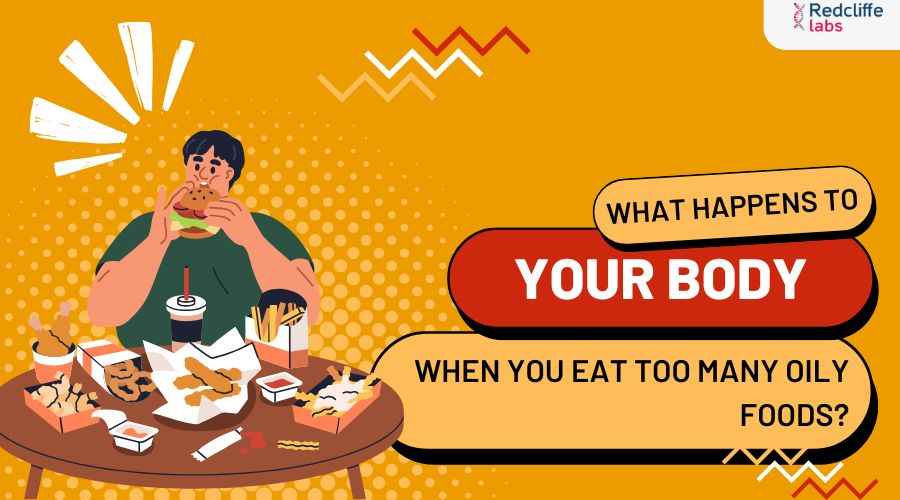
The reason is simple: people eat fried foods because they find oily foods tempting and satisfy their cravings. But consumption of too many oily foods can cause serious harm to your health. Regular consumption of oily foods in your daily diet can cause both short-term and long-term health issues.
Let’s dive into what happens to your health when you consume very oily meals and tips to recover from their side effects.
Effects of Eating Too Much Fried Food
Short-Term Effects of Eating Oily Foods
-
It Strains Your Digestive System
Do you often feel bloated after eating too much fried food?
Well, you might be, as it is one of the common symptoms. Eating too much oil is hard for your digestive system because it takes longer to break down in the stomach. This may cause bloating, indigestion, acid reflux, and stomach pain. If you often feel sluggish and heavy after a fried meal, it's your body's way of telling you that it's struggling to process the excess fat.
-
Mood Changes
Did you know that consuming too much oily food can affect your mood?
Processed and fried foods contain high amounts of unhealthy trans fats, triggering inflammation and negatively impacting brain function. Studies show that people who consume a lot of fried food are more likely to experience symptoms of depression and anxiety.
-
It Makes You Run to the Bathroom
Eating too much oily food can also cause diarrhea or loose motions. Excess fat can irritate the digestive tract, leading to sudden and frequent bathroom trips. Your body struggles to absorb the excess oil, resulting in gastrointestinal distress.
Long-Term Effects of Eating Oily Foods
-
Weight Gain and Obesity
One of the significant risks of consuming excessive oily food is weight gain. Fried foods are calorie-rich and low in essential nutrients, which can lead to excessive body fat accumulation. Consuming fast food or fried foods regularly can cause obesity and other risk factors for several chronic diseases.
-
Raises Risk of Heart Disease
Consuming too many oily foods can increase trans fats, raise low-density lipoprotein (LDL) levels, and lower high-density lipoprotein (HDL) levels. Over time, this can build plaque in arteries and may increase the risk of heart attacks, strokes, and high blood pressure.
Even healthy oils, such as olive oil, can disrupt your cholesterol balance.
-
Diabetes
People who consume too much oily food are at higher risk of diabetes. Fried foods contribute to insulin resistance, which is a key factor in the development of type 2 diabetes.
-
Fatty Liver Disease
When you consume too much fat, your liver can become overwhelmed, leading to fat accumulation in liver cells. This may cause fatty liver disease, which may cause serious complications such as non-alcoholic fatty liver disease if not managed properly.
-
Nutritional Imbalance
Oily foods lack essential vitamins, minerals, and fiber, which may lead to nutrient deficiencies and weaken your immunity.
-
May Cause Acne
Eating greasy foods can trigger acne breakouts. Excess oil can lead to clogged pores, increased inflammation, and hormonal imbalances, potentially causing skin problems.
How to Detox After Eating Oily Food?
If you are experiencing discomfort after eating too oil, then here are some tips that can help you-
- Hydration with warm water: Drink warm water, as it will help break down fats and improve digestion. Warm water will also help flush out toxins and prevent dehydration caused by excessive oil intake.
- Go for a walk—A short walk after a heavy oil meal can help kickstart digestion and prevent bloating.
- Eat detoxifying foods—Foods like leafy greens, fruits, and whole grains in your next meal can help absorb excess fat and support your digestive health. You can also eat citrus fruits, cucumbers, and ginger.
- Probiotics—Probiotics, such as yogurt, kefir, and fermented foods, can help restore gut bacteria. They also aid in digestion and promote overall gut health.
- Prioritize quality sleep—Rest enough, as sleeping allows your body to repair itself and manage the effects of oil and food. Poor sleep may exacerbate digestive issues and increase inflammation.
List of Oily Foods to Avoid
Here are some common oily foods you should limit in your diet:
- Fried chicken
- French fries
- Potato chips
- Doughnuts
- Butter-heavy dishes
- Cheese-loaded fast food
- Deep-fried snacks like samosas and pakoras
- Heavy cream-based curries
- Fast foods like Burgers, pizza, and other fried foods
Healthier alternatives
- Oven-baked potatoes
- Thin-crust pizza
- Veggie-heavy stir-fries
- Baked apple chips
- Whole, nutritious burgers
What’s Next?
Focus on a balanced and nutritious diet rich in healthy fats, such as those found in coconut, chia seeds, avocados, nuts, and olive oil. Limit consumption of saturated and trans fats. Eat more citrus fruits, green leafy vegetables, and whole grains to maintain overall health.
However, moderation is the key. You can eat fried food, but in moderation, with healthy foods. Do not consume them excessively, as this may harm your health.
If you notice any health issues, consult your doctor and get a health checkup done with Redcliffe Labs. The professional will provide you with the best diagnostic services right from your home.
Make Healthy Choices for a Healthier You
While eating fried and oily foods occasionally is okay, moderation is key. Making small dietary changes, such as opting for grilled or baked alternatives and incorporating healthy fats like olive oil, can have a significant impact on your long-term health. Always listen to your body and prioritize nutrient-rich foods to feel your best every day.
Take care of your health and make smart choices for a happier, healthier you!
FAQ’s
1. How do you flush oily food out of your body?
To flush oily food out of your body, you can drink warm water, eat fiber-rich foods, and exercise.
2. What are the symptoms after eating greasy food?
It may cause stomach pain, bloating, nausea, diarrhea, heartburn, and gastroesophageal reflux disease (GERD).
3. What happens if we eat too much oily food?
Eating too much oily food can cause various health issues, such as obesity, digestive issues, heart disease, and type 2 diabetes.