7 Indian Dishes That Are Healthier When Eaten Cold: Surprising Benefits for Your Gut and Wellness


When you think of Indian food, thoughts of steaming hot curries, sizzling tandoori items, and spicy chaats may come to mind.
Did you know that some Indian dishes are healthier and sometimes even more delicious when served cold?
Known for its hot spices and warmth, Indian cuisine also offers a less well-known side of its wholesome offerings in the form of cold dishes. These dishes provide joy to the palate while simultaneously offering some surprising health benefits.
Certain Indian foods, when consumed cold, tend to enhance their nutritive properties—a true boon for holistic gut healing. This also industrializes the refreshing factor that graces the ambiance in the summers.
Thus, let us examine the scientific and traditional evidence of these foods and consider why your next tasty treat might owe its celebration to the cold rather than the hot.
Why Are Some Indian Dishes Healthier When Cold?
Before we dive into the dishes involved, you must know some basic reasons why eating certain foods cold may be good for you:
1. Fermented and Probiotics
Many Indian dishes are naturally fermented. If eaten cold, the probiotic microorganisms will help maintain good gut health and digestion.
2. Lower Glycemic Index (GI)
Cooling rice and potatoes, which are starch-based foods, increases their resistant starch content, which aids in blood sugar regulation and weight control.
3. Preservation of Nutrients
Some nutrients, particularly in fermented or less processed foods, survive best if the dishes are not reheated.
Top 7 Indian Dishes Are Healthier When Eaten Cold
Enjoying certain Indian dishes cold preserves their probiotics, increases resistant starch, and boosts gut health, making them even more nutritious and refreshing than when served hot.
1. Curd Rice (Thayir Sadam)
Also known as Dahi Chawal, curd rice is a South Indian comfort food that tastes especially good when served cold. This naturally cooling, probiotic-rich dish consists of rice, plain yogurt (curd), and a few ingredients, including mustard seeds, curry leaves, and green chilies.
Why is it a healthier cold?
It is healthier to be cold because:
- It supports intestinal health
- Live probiotics found in cold curd promote a healthy gut microbiome and facilitate digestion.
- It calms the stomach
- Cold curd rice helps soothe acidity and reduce inflammation, making it especially beneficial in hot climates.
- It is a balanced meal
- When tempered with ghee or coconut oil, a balanced meal provides a good mix of carbohydrates, protein, and healthy fats.
2. Dhokla
Dhokla is a fermented, steamed Gujarati snack prepared from rice and chickpea flour. Typically, it's served at room temperature or chilled; it's spongy, soft, and tangy.
Why is it a healthier cold?
It is a healthier cold because:
1: Fermentation:
- Fermentation increases the availability of nutrients and adds gut-friendly bacteria.
2: Low calorie:
- Since it is steamed, rather than fried, it is a guilt-free snack.
3: Rich in protein:
- Due to its use of chickpea flour, it serves as a healthy plant-based protein source.
3. Idlis
Idli, a beloved breakfast staple from South India, is made up of fluffy steamed rice and lentil cakes. While they're often enjoyed warm, you might be surprised to find that cold idlis are just as delicious and even a bit healthier!
Why is it a healthier cold?
It is a healthier cold because:
1. Probiotic boost
- Since they're fermented overnight, idlis are packed with beneficial bacteria that are beneficial for your gut.
2. Improved digestion
- Cold idlis tend to be easier on the stomach and less likely to cause acidity.
3. Versatile
- Enjoy them with some chilled coconut chutney for a refreshing twist on your meal.
4. Sprouted Moong Salad (Kosambari)
This refreshing salad, made with soaked and sprouted moong dal, is a cold dish favorite in many Indian homes. People often eat it during festivals like Ugadi and Navratri.
Why is it a healthier cold?
It is a healthier cold because:
- Packed with protein and fiber
- Sprouted moong beans are rich in plant-based protein, making them an excellent option for vegetarians and vegans.
- Full of enzymes
- Sprouting enhances the availability of nutrients and introduces enzymes that aid digestion.
- No need to cook
- Keeps most of its vitamins and minerals because it's eaten raw or with minimal processing.
5. Sabudana Khichdi
Sabudana Khichdi, made from tapioca pearls, is a beloved dish during fasting, particularly in the state of Maharashtra. While many enjoy it warm, it's just as delicious served cold, making it an excellent option for lunchboxes.
Why is it a healthier cold?
It is a healthier cold because:
- Easy to digest
- Cold sabudana khichdi is light on the stomach and quite comforting.
- Stable energy
- When cooled, the resistant starch content increases, offering a steady source of energy.
- Gluten-Free
- Sabudana Khichdi is perfect for anyone with gluten sensitivities.
6. Chaas (Buttermilk) and Raita
Chaas is a refreshing spiced buttermilk drink, while raita is a delicious yogurt-based side dish that often features cucumber, mint, or boondi.
Why is it a healthier cold?
It is a healthier cold because:
- Keeps you hydrated
- Both are fantastic for keeping you hydrated, especially on those hot summer days.
- Probiotics
- They help maintain a healthy gut microbiome.
- Cooling effects
- These dishes naturally help lower your body temperature and support digestion.
7. Chilled Millet Upma (Leftover Twist)
Millet upma is typically served warm, but if you have some leftovers, you can easily turn them into a tasty cold dish.
Why is it a healthier cold?
It is a healthier cold because:
- High in resistant starch
- When millets like foxtail or little millet cool down, their fiber content actually increases.
- Blood sugar control
- The slower digestion process helps maintain more stable glucose levels.
- Gluten-free and gut-friendly
- Millets are gentle on the digestive system, making them an excellent choice for individuals sensitive to gluten.
3 Additional Dishes You May Like to Eat
Apart from the above, below are three more Indian dishes that you may love to try cold:
- Kachumber salad
- This simple Indian dish is hydrating, detoxifying, and perfect for weight management due to its low calorie and high fiber content.
- Boondi Raita
- This popular Indian side dish is rich in probiotics, aids digestion, and pairs perfectly with spicy curries due to its cooling effect.
- Rajma Chawal (Kidney beans with rice)
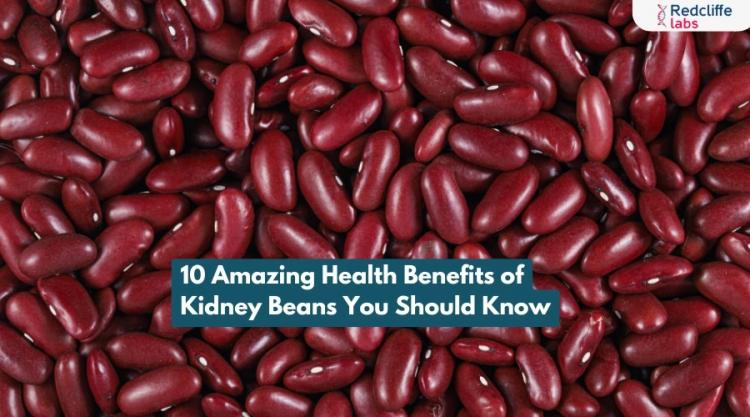
- This North Indian classic is typically enjoyed hot, but you can also try it cold, as Rajma is rich in plant protein and fiber, which aids digestion and satiety.
The Science Behind When You Chill Indian Food
Starchy foods like rice, lentils, and millets undergo a process known as retrogradation when cooled, which alters their molecular structure and creates resistant starch.
Furthermore, this type of starch isn't broken down in the small intestine; instead, it ferments in the large intestine, resulting in the formation of beneficial short-chain fatty acids that are beneficial for your colon health.
Above all, cold-fermented foods retain their probiotic value, which is essential for a strong immune system and mental clarity.
How to Enjoy Cold Indian Dishes
You can enjoy cold Indian dishes by:
- Using fresh ingredients.
- Refrigerating them properly
- Adding fresh salads or chutneys to boost fiber and micronutrient intake.
Conclusion
India's culinary landscape is steeped in tradition, yet it continues to evolve with an intention to offer health and wellness. Eating certain Indian foods, such as curd rice or Sabudana Khichdi, cold can bring a refreshing twist to your meal. Additionally, it delivers genuinely health benefits, like improved digestion and stable blood sugar levels.
So, the next time you're prepping up your meals, don't shy away from chilling and savoring these Indian treats cold. You might just discover a new favorite take on an old classic!
FAQs
1. Can I eat cold leftover foods?
Yes. You can eat cold leftovers. Many Indian dishes even taste better the next day, ensuring you refrigerate them properly.
2. Is it safe to eat cold Indian dishes?
Certainly, yes. As long as you store the food properly, it can be consumed safely and healthily.