Sweet Potato: India's Most Underrated Superfood You Should Start Eating Today

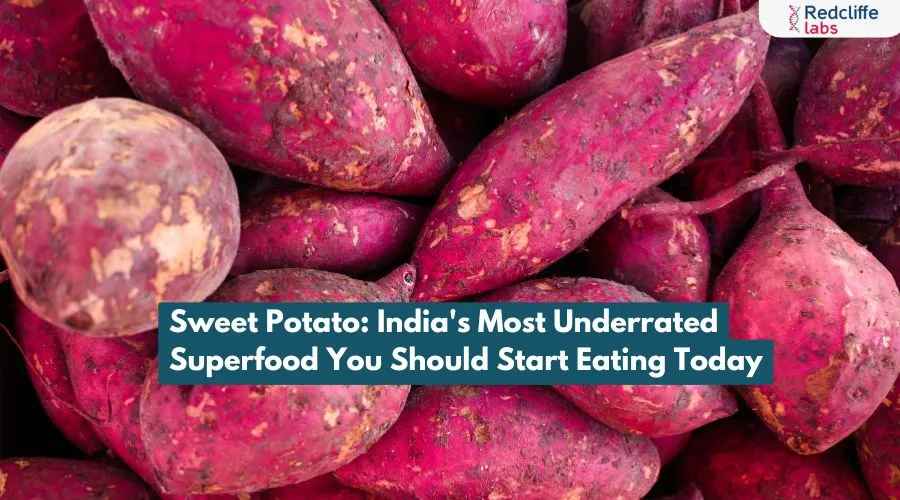
For most of us, potatoes are something of a love-hate relationship. We cannot resist their delicious flavor and comforting texture, but our health-conscious minds keep reminding us that they should not be included in our diet plan when we are trying to stay healthy or lose weight. It is a fear that leads us to spend a large portion of our budget on fancy superfoods such as quinoa and kale. However, in our race to embrace international health trends, we often forget the bright orange shakarkandi sold by vendors at our local markets. It is often considered nothing more than an occasional treat or a fasting food. Still, the truth is that sweet potato (Ipomoea batatas) or shakarkandi is a nutrient-rich food item right in front of our eyes.
However, you may be wondering whether a naturally sweet vegetable could help regulate blood glucose levels. Maybe you have been reading a lot of conflicting opinions about its nutritional benefits compared to other starchy vegetables, such as the common potato.
In this blog, we will break down the science behind what makes it special, explore its health benefits, and help you see how this natural product can fit into your health regimen.
What Makes Sweet Potato a Superfood?
The sweet potato (Shakarkandi) is not simply a sweeter variant of the common potato; it belongs to an entirely different botanical family (morning glory). Whereas the white potato is considered a tuber, the sweet potato is regarded as a storage root.
The amount of beta-carotene found in sweet potatoes is extremely high. Beta-carotene is an antioxidant that gives sweet potatoes their characteristic bright orange color and is converted to Vitamin A by the body. Just one average-sized sweet potato can meet more than 300% of your daily Vitamin A requirement.
Nutritional Value of Sweet Potato
A medium-sized sweet potato (about 100 grams) contains:
- Calories: approx. 86 kcal
- Carbohydrates: 20 g
- Fiber: 3 g
- Protein: 1.6 g
- Vitamin A: Over 300% of the daily requirement
- Potassium: approx. 337 mg
According to the World Health Organization, foods rich in beta-carotene help support immune function and eye health.
Why We Love Sweet Potatoes: Key Health Benefits You Should Know
Unlike packaged snacks, sweet potatoes provide all of those nutrients at once, which is called a "package deal." The compounds found in these roots have the potential to prevent certain diseases.
- Optimizes Eye Health: With a high vitamin A content, sweet potatoes are important for maintaining retinal health and preventing age-related macular degeneration.
- Regulates Blood Sugar: Despite their natural sweetness, sweet potatoes have a moderate glycaemic index (especially when boiled), resulting in a slower, steadier rise in blood glucose levels.
- Supports Gut Microbiome: As they contain both soluble and insoluble fibers, they contribute to stool bulking while serving as a food source for gut microflora.
- Enhances Immunity: High in both Vitamin C and Vitamin B6, sweet potatoes help the body produce white blood cells needed for proper immune function.
- Anti-Inflammatory Properties: Anthocyanins present in purple varieties exhibit anti-inflammatory effects on the brain and nerve tissue.
- Helps Heart Health: Consuming sweet potatoes can help support cardiovascular health, as they contain fiber, potassium, and antioxidants. These nutrients help regulate blood pressure and control cholesterol levels. Also, the antioxidants in sweet potatoes are vital in reducing oxidative stress in the cardiovascular system.
- Helps Manage Your Weight: Sweet potatoes or Shakarkandi can support weight management. This is because they contain high amounts of fiber and complex carbohydrates, which make individuals feel fuller for longer.
Related Link:
Sweet Potato vs. Regular Potato: Which Is Better
Many people avoid sweet potatoes because they fear the calorie count. However, when we look at the data, the choice becomes clear for those seeking nutrient density.
There is no doubt that sweet potatoes offer greater nutritional value, particularly for long-term benefits. There is no doubt that sweet potatoes offer greater nutritional value, particularly for long-term benefits. There is no doubt that sweet potatoes offer greater nutritional value, particularly for long-term benefits.
Are Sweet Potatoes Safe for Everyone?
Sweet potatoes are usually safe and healthy when taken in moderation. However, as with any other food, overconsumption or certain health problems might require certain precautions.
The concerns might be:
- Kidney stones: The high oxalate content in sweet potatoes increases the risk of kidney stones among people prone to them. Combining them with high-calcium foods such as milk and yogurt and maintaining proper hydration can lower this risk.
- Too much vitamin A: These vegetables have a lot of beta-carotene that can turn into vitamin A. Excessive intake can lead to harmless carotenodermia, in which the skin becomes yellow-orange. To get rid of this problem, it will be sufficient to eat less of this vegetable.
- Increase in blood sugar levels: Even though these foods have a medium glycemic index, overconsumption can raise blood sugar levels, especially in people with diabetes.
- Bloating and digestive issues: Because sweet potatoes are rich in fiber, they may cause bloating or similar discomfort, particularly when eaten in large amounts.
Moderation in their consumption makes them perfectly safe and healthy.
5 Simple Ways to Enjoy Sweet Potatoes
Sweet potatoes (Shakarkandi) are quite adaptable and can brighten up both your sweet and savory meals. Besides, when combined with proteins, healthy fats, and vegetables, they help create well-rounded, nutritious meals.
- Roasted: Chop into cubes, toss with a bit of oil and spices, then roast until tender: great side or salad element.
- Sautéed: Pan-cook with just a dash of oil for a quick, tasty choice.
- Boiled: Plain and simple, nutritious. You can have them on their own or mash them as a healthy substitute for regular potatoes.
- Microwaved: Instant, just poke a few holes with a fork and cook until soft. Perfect for when you don't have time.
- Air-Fried: Perfect for making healthier fries or chips with less oil.
Tip: Ditch the deep frying, as it contributes to excess fat intake and diminishes the overall health benefits.
Who Should Be Careful While Eating Sweet Potatoes?
Certain individuals who need to be careful with sweet potatoes:
- Those suffering from kidney disease
- Persons following a potassium-restricted diet
- People with diabetes (moderate consumption is recommended)
- Persons with digestive problems
If you suffer from any pre-existing medical problems, you should seek a doctor's advice when deciding on making major changes in your eating habits.
Regularly monitoring blood sugar levels through tests like fasting blood glucose or HbA1c can help you understand how foods like sweet potatoes affect your body.
How Much Sweet Potato Should You Consume Daily?
Even though sweet potatoes are nutritious, it is essential to consume an appropriate quantity. This will depend on your general dietary habits.
- Healthy individuals: One medium sweet potato daily provides sufficient intake.
- Diabetics: In this case, smaller amounts (half to one sweet potato) may be acceptable, depending on the individual's blood sugar levels and the preparation method.
- In weight-loss programs, it can serve as an alternative to processed foods like white rice or fries.
In conclusion, sweet potatoes offer many health benefits, but you should consume them in moderation.
Expert Take
The sweet potato is among the easiest and most effective superfoods available in India. This superfood not only boosts immunity but also supports proper digestion, heart health, and even weight regulation, without costing much or being hard to get.
In a world filled with a quest for healthy superfoods, the best nutrition comes from traditional, local options.
Including sweet potatoes in one's diet can be a small effort with significant health benefits.
It is equally essential to monitor nutritional levels.
- Maintain a healthy diet.
- Stay physically active.
- Keep track of your health with periodic checkups.
FAQs
-
Is a sweet potato healthier than a regular potato?
Yes, sweet potatoes are more beneficial for health than regular potatoes due to their high fiber composition and abundance of beta-carotene (Vitamin A). Moreover, when boiled, sweet potatoes have a lower effect on blood glucose. Nevertheless, both types of potatoes can be part of a healthy diet as long as they are consumed in moderation.
-
Can I eat sweet potatoes every day?
Eating sweet potatoes regularly is fine when consumed in moderate portions. Such a meal is highly nutritious, providing your body with vitamins, minerals, and antioxidants that support energy. Nonetheless, a large portion of sweet potatoes can cause stomach problems or raise Vitamin A levels. Thus, you should include it as part of a varied and balanced diet.
-
Are sweet potatoes good for people with diabetes?
People with diabetes can use sweet potatoes, provided they consume a controlled amount per day. Boiled sweet potatoes have a moderate glycaemic index and release sugar slowly into the bloodstream. Adding protein or fat sources to your meals will further support your health.
-
What is the healthiest way to eat sweet potatoes?
Boiling or baking sweet potatoes is considered the best way to enjoy them, as these methods retain all essential nutrients while minimizing added fat. Steer clear of deep-frying because it adds extra calories and eliminates any health benefits. It is always advisable to include sweet potatoes along with other vegetables and proteins in your meals. This ensures that you get balanced, nutrient-rich meals.
-
Can sweet potatoes help with weight loss?
Yes, sweet potatoes are beneficial for weight loss because they are high in fiber, which keeps you feeling full longer and helps prevent frequent snacking. Sweet potatoes also help maintain steady energy levels, thus reducing the urge to reach for unhealthy snacks between meals. Incorporating sweet potatoes in your diet instead of refined carbohydrates will yield better results.