Red Rice Benefits: India’s Secret to Healthy Life

Medically Reviewed By
Dr. Ragiinii Sharma
Written By Komal Daryani
on Feb 3, 2024
Last Edit Made By Komal Daryani
on Jan 28, 2026
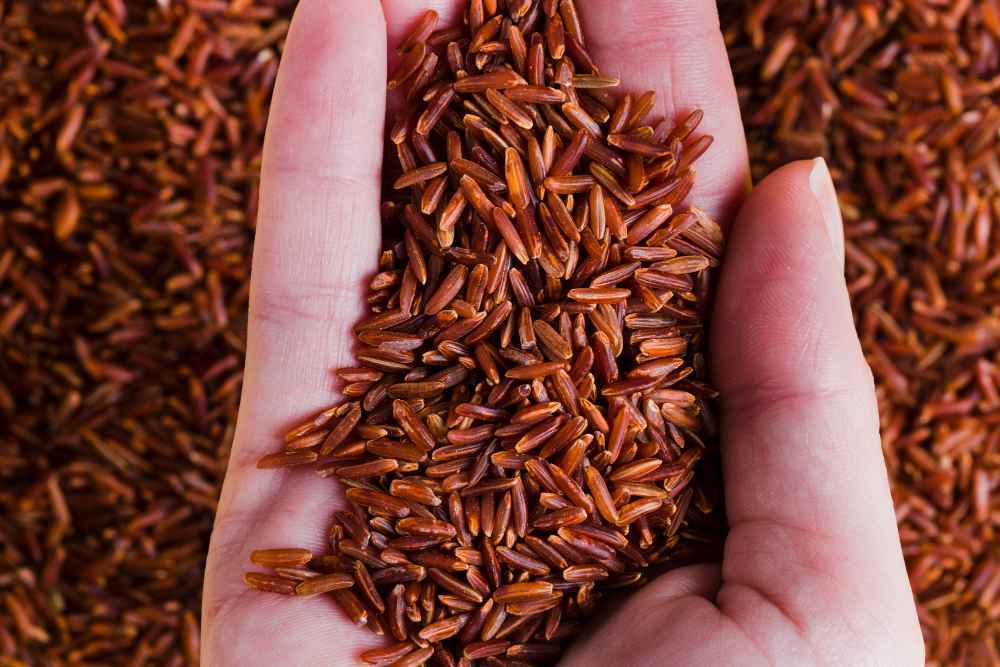
Imagine an India where no one eats rice. Seems to be impossible. 70% of Indians eat rice daily, once or twice daily. India produces about 120 million tonnes of rice per year. Out of which, 100 million tonnes are consumed domestically every year. For the Government of India, it is mandatory to maintain an operational stock of 11.5 tonnes of rice and a strategic reserve of 2 million tonnes.
Out of about 120 million tonnes of production, India consumes about 100 million tonnes domestically annually, or 80% of the total. The Indian government must maintain an operational stock of 11.5 million tonnes of rice to act as a buffer for fluctuations in production or unforeseen events. Another strategic reserve of two million tonnes of rice is kept in reserve as a safety net for emergencies, natural disasters, or any situation that might disrupt the regular rice supply, ensuring food security for the nation.
By these facts, you can imagine the importance rice holds in India. It’s filling, easy to cook, and also nutritious. But did you know that rice comes in different colors as well?
In India, rice comes in 5 main colors –
- Brown: This is the natural color of unmilled rice, where the husk and bran layers remain intact.
- White: This results from milling, which removes the husk and bran, leaving the white starchy endosperm.
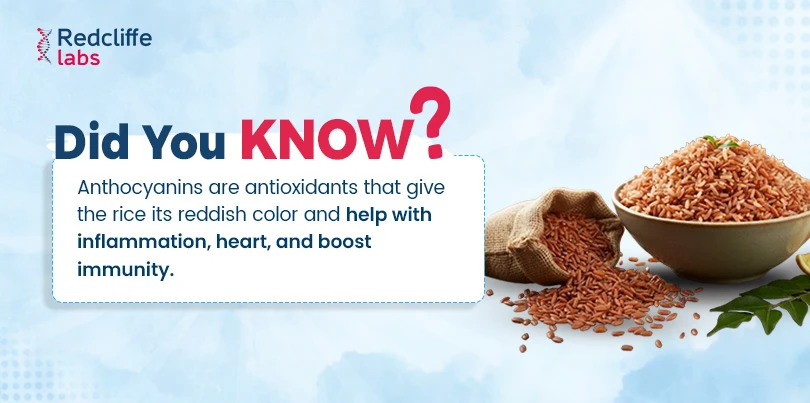
- Red Rice: Often called “Rosematta” in Kerala, this rice variety is reddish-brown due to anthocyanin pigments in the bran layer.
- Black Rice: This variety, like the “Chakravala” from Manipur, has a deep black color due to anthocyanin pigments in the pericarp (outer seed coat).
- Purple Rice: Varieties like “Kavuni” from Kerala or “Kala Bhatta” from Assam have a purplish hue due to anthocyanin pigments in the bran layer.
All these colored rice are too good for our daily nutrition, and we’ll slowly talk about them in the upcoming blogs. But for today, let’s talk about the benefits of Red Rice.
As mentioned above, Red Rice is majorly found in Odisha, Manipur, Kerala, Karnataka, and Assam. Red rice is primarily composed of the health-promoting substance anthocyanin. It is responsible for preventing diabetes, lowering blood pressure, enhancing vision, and lessening cancerous cells. Moreover, it possesses antibacterial and anti-inflammatory qualities. In addition, red rice has a high iron, calcium, and vitamin B1 and B2 content.
If you need further convincing to start consuming red rice, below you’ll find 8 reasons that will make you want to eat red rice as your next alternative to white rice.
- Blood Pressure Regulation:
Red rice is a great option for people with diabetes because of its low glycemic index. It aids in blood sugar regulation, lowering the chance of consequences like coronary heart disease and protecting the health of essential organs like the kidneys and eyes.
- Asthma Management:
Red rice is rich in magnesium. Thus, it is a natural way to support respiratory health by helping to improve breathing patterns, increase oxygen consumption, and promote better asthma management.
- Bone Health Boost:
Rich in vital nutrients such as calcium and magnesium, Red Rice protects against osteoporosis, arthritis, and other bone-related ailments by promoting strong and healthy bones.
- Digestive Wellness:
Red rice helps with easy digestion, relieves constipation and diarrhea, and improves digestive health because of its high soluble and insoluble fiber content.
- Weight Management:
Red rice aids in digestion and provides a sustained feeling of fullness. This makes it an excellent tool for weight management. Because of its low-fat content, which helps to minimize hunger pangs, it is a more sensible choice for those trying to lose weight.
- Cardiovascular Health:
Choosing red rice instead of white rice can immensely reduce the risk of cardiovascular diseases. Red rice contains whole grains, which lower bad cholesterol and provide a heart-healthy dietary option.
- Skin Nourishment:
Red rice is high in antioxidants known as anthocyanins. It helps to protect skin from UV ray damage and postpone the appearance of premature aging. It nourishes the skin and promotes a healthy complexion.
- Enhances Cognitive Function:
Crucial elements like iron and zinc found in red rice help to maintain cognitive function. These minerals are essential for preserving brain function and supporting focus, memory, and general cognitive function. Red rice is a dietary component that enhances cognitive health.
In India, where rice is a dietary staple, the article highlights the significance of red rice and its diverse health benefits. Red rice, rich in anthocyanins, is lauded for diabetes prevention, blood pressure regulation, asthma management, bone health, digestive wellness, weight management, cardiovascular health, skin nourishment, and cognitive function enhancement. As a nutritious alternative, red rice is a valuable addition to promote overall well-being in the Indian diet.
Nutrition Value of Red Rice
Here’s the nutrition value of red rice per 100 grams of cooked rice:
| Nutrient | Amount per 100g | Health Benefits |
| Calories | 356 kcal | Provides energy |
| Protein | 8.8 g | Builds and repairs tissues |
| Carbohydrates | 82.5 g | The main source of energy |
| Dietary Fiber | 11.8 g | Improves digestion and supports gut health |
| Fat | 3.3 g | Essential for energy and cell function |
| Iron | 1.1 mg | Boosts hemoglobin and prevents anemia |
| Zinc | 30 mg | Supports bone health and muscle function |
| Potassium | 156 mg | Regulates fluid balance and blood pressure |
Besides this, red rice is rich in antioxidants, including anthocyanins, which provide many health benefits, including reducing inflammation and supporting heart health.
Red Rice Side Effects
Here are some side effects of red rice:
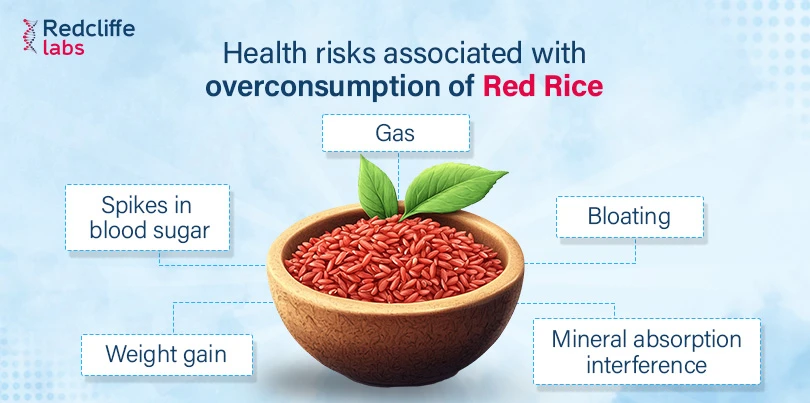
- Digestive Discomfort—Their high fiber content sometimes causes bloating, gas, or stomach discomfort if consumed in large quantities.
- Allergic Reactions- Red rice may cause itching or other allergic symptoms in some people.
- Blood Sugar Fluctuations- Overcooked red rice may have a higher glycemic index, affecting people with diabetes.
- Interaction with Medications- Some unprocessed varieties may interact with cholesterol-lowering medications.
- Iron Overload (Rare):: As red rice contains a sizable amount of iron, over-consumption might cause iron build-up, particularly in those with hemochromatosis (a disorder which results in excessive iron).
- Phytic Acid Effect: Elevated phytic acid in red rice can limit the absorption of minerals (iron, zinc, calcium) if a large amount of it is eaten frequently.
Precautionary Tips-
- Consume in moderation.
- Wash thoroughly before cooking.
- Store in a cool, dry place to prevent contamination.
- Consult your doctor if you have allergies, diabetes, or are on medications.
- Cook well to maintain nutrients and control glycemic index.
Red Rice Recipes You Must Try
Here are some popular Indian recipes using red rice that are delicious and nutritious:
1. Red Rice Pulao
A rice dish with spices and vegetables.
Ingredients:
- 1 cup red rice
- 1 tomato, chopped
- 1/2 cup mixed vegetables (peas, carrots, beans)
- 1 tsp cumin seeds
- 1 bay leaf
- 1/2 tsp garam masala
- 1 tsp ginger-garlic paste
- 1 green chili, slit
- 2 cups water
- Salt to taste
- Fresh coriander for garnish
Instructions:
- Rinse the red rice thoroughly and soak for 30 minutes.
- Heat oil in a pan; add a few cumin seeds and bay leaf.
- Add onions and sauté until golden brown. Add ginger-garlic paste and green chili.
- Stir in chopped tomato and mixed vegetables. Cook for a few minutes.
- Add soaked red rice, salt, and garam masala. Mix well.
- Add water, bring it to a boil, and simmer for 15-20 minutes until the rice is well-cooked.
- Garnish with fresh coriander and serve it with raita or curry.
2. Red Rice Khichdi
A comforting one-pot meal perfect for any time of the day.
Ingredients:
- 1 cup red rice
- 1/4 cup moong dal (split yellow lentils)
- 1 onion, chopped
- 1 tomato, chopped
- 1/2 tsp turmeric powder
- 1/2 tsp cumin seeds
- 1/2 tsp mustard seeds
- 1 tbsp ginger-garlic paste
- 1 green chili, chopped
- 1 tbsp ghee (clarified butter)
- Salt to taste
- Fresh coriander for garnish
Instructions:
- Rinse and soak the red rice and moong dal for 20 minutes.
- Add some ghee, a few cumin seeds, mustard seeds, and green chili in a pressure cooker.
- Add onions and sauté until translucent, then add ginger-garlic paste.
- Stir in tomatoes, turmeric, and salt. Cook until tomatoes soften.
- Add soaked rice and dal, followed by 2 cups of water.
- Pressure cook for 2-3 whistles, then reduce the heat and cook for another 5 minutes.
- Garnish with fresh coriander and serve it with pickle and yogurt.
3. Red Rice Upma
A nutritious breakfast option with vegetables.
Ingredients:
- 1 cup red rice
- 1/2 cup mixed vegetables (carrot, peas, beans)
- 1 onion, chopped
- 2 green chilies, chopped
- 1 tsp mustard seeds
- 1 tsp urad dal
- 1/4 tsp turmeric powder
- Salt to taste
- Fresh curry leaves
- 2 tbsp oil
Instructions:
- Rinse the red rice and soak it for 20 minutes.
- Add mustard seeds, urad dal, and curry leaves in a pan, and heat oil.
- Add some chopped onions and green chilies, and sauté until the onions turn soft.
- Add mixed vegetables and cook it for a few minutes. Add turmeric and salt.
- Add the soaked red rice and 2 cups of water, and boil.
- Lower the heat and cook it for 15-20 minutes until the rice is fully cooked.
- Serve hot, garnished with fresh coriander.
Which is better, White, Brown, or Red Rice?
Choosing between white, brown, and red rice depends on your nutritional goals, health needs, and taste preferences. Here's which is better for you:
| Aspect | White Rice | Brown Rice | Red Rice |
| Processing | Polished, bran and germ removed | Partially polished, retains bran and germ | Minimally processed, retains bran and germ |
| Nutritional Value | Lower in fiber, vitamins, and minerals | Rich in fiber, vitamins, and minerals | High in fiber, antioxidants, and nutrients |
| Carbohydrates | A high, quick source of energy | Moderate, lower glycemic index | Moderate, with slower digestion |
| Antioxidants | Low | Low | High, contains anthocyanins |
| Iron | ~0.2 mg per 100g | ~0.4 mg per 100g | ~0.6 mg per 100g |
| Magnesium | ~12 mg per 100g | ~43 mg per 100g | ~42 mg per 100g |
| Flavor & Texture | Soft, mild flavor | Nutty flavor, slightly chewy | Earthy flavor, chewy texture |
| Health Benefits | Quick energy, easy to digest | Heart health, weight management | Boosts immunity, improves digestion |
| Best For | Those needing easily digestible carbs | Weight loss, diabetes, and heart health | Antioxidant-rich diets reduce inflammation |
Which is Better?
- White Rice: Ideal for quick energy or sensitive digestion but low in nutrients.
- Brown Rice is best for heart health, diabetes, and weight management due to its high fiber and nutrient content.
- Red Rice: Superior for antioxidant intake, boosting immunity, and reducing inflammation, making it the most nutritious option overall.
FAQs
-
What is red rice, and how is it different from white rice?
Red rice is a variety of whole grain rice that has a red bran layer, which gives it a high level of anthocyanins, an antioxidant. Unlike white rice, it does retain its bran layer and contains the germ of the grain, which retains fiber, vitamins and minerals that provide better digestion, heart health and nutrition.
-
What are the main health benefits of eating red rice?
Red rice is an excellent source of antioxidants, iron and magnesium, which help improve heart health, fight infections and illness and boost energy levels. Its high fiber content maintains digestion and weight control and blood sugar levels. Red rice is a nutritious alternative to white rice when consumed regularly.
-
Is red rice good for people with diabetes?
Yes. Red rice has a low glycemic index (GI) factor, meaning it is digested and releases glucose into the bloodstream slowly and therefore doesn't cause a spike in sugar levels after consumption. Red rice is a suitable choice for people with diabetes due to high fiber content, and containing antioxidants that help regulate blood sugar levels.
-
Can red rice help in weight loss?
Red rice supports weight loss by keeping you full for longer due to its high fiber and complex carbohydrates. It helps control hunger, keeps you from overeating, and provides sustained energy. Substituting red rice for white rice can help you maintain your weight when combined with a balanced diet.
-
How often should I eat red rice?
You can include red rice as part of a healthy diet and eat it 2-3 times per week in portions of about one cup of cooked red rice. Eating a portion of red rice each week will provide essential nutrients and fiber without pushing daily carbohydrate intake too high.
-
Are there any side effects of eating red rice?
Red rice is generally safe to eat in moderation for most people. However, if eating too often it may cause bloating or discomfort due to the fiber content. Individuals with gastrointestinal issues or other medical conditions should check with their healthcare provider before making red rice a staple of their diet.
-
Which Indian red rice varieties are the healthiest?
The healthiest varieties of Indian red rice include Matta rice from Kerala, Rakthashali with its Ayurvedic properties, and Bhutanese red rice. Each of the country's healthiest varieties of red rice are incredibly high in fiber, iron, and antioxidants, offering unique flavors and significant health benefits when included in regular meals.
Summary: Which is Better?
- White Rice: Ideal for quick energy or sensitive digestion but low in nutrients. Compared to other forms of rice, it has a high glycemic index (GI), making it less suitable option for people with diabetes.
- Brown Rice: Best for heart health, diabetes, and weight management due to its high fiber, magnesium, and nutrient content. It helps maintain steady energy levels and supports healthy digestion.
- Red Rice: Superior for antioxidant intake, boosting immunity, and reducing inflammation, making it the most nutritious option overall.
Note: Both red and brown rice take more extended soaking and cooking time for better texture. Individuals with digestive issues may find brown/red rice heavy compared to white rice.
Leave a comment
Related Posts

Food And Nutrition
Black Coffee Calories: Health Benefits, Weight Loss & Nutrition Facts
Food And Nutrition
Best Anti-Aging Foods to Look Younger Naturally
Food And Nutrition
Fig Fruit Benefits: Facts You Should Know Before Eating
Food And Nutrition
Tofu Vs Paneer: Understanding the Nutritional Value and Facts