Foods That Can Help you Lose Weight

Medically Reviewed By
Dr Divya Rohra
Written By Prekshi Garg
on Jul 25, 2022
Last Edit Made By Prekshi Garg
on Jan 10, 2025

Obesity and overweight have been of a major health concern due to their impact on general health and well-being. Newa strategies to improve diet have been employed to overcome these conditions, which have become popular and are widely adopted. One must realise that there is no “One Size Fits All” strategy when on the lookout for an effective diet for weight loss. High protein, low-carbohydrate foods, and intermittent fasting are key strategies that promote significant weight loss. However, in the long run, personalised diet plans show similar weight loss provided one adheres to the chosen diet for a long time. A good quality diet with low-calorie foods helps to promote weight loss and improves overall health. Well, your weight plans goals are only achieved when your low-calorie diet is well-furnished with a good amount of calorie-burning exercise and the inclusion of essential nutrients. This article speaks about the foods that are low in calories and help you in your weight loss journey.
Low-calorie diet
A low-calorie diet is an eating plan that narrows down the daily caloric intake. In a low-calorie diet, roughly 1,200 to 1,500 calories per day are consumed to create a calorie deficit that eventually leads to weight loss. A lot of discipline goes into following a low-calorie diet. Help from a dietician is recommended, as over-curbing calories can lead to eliminating essential nutrients. It means a lot of effort and planning to understand hunger and make sure that just the required number of calories fuels the body and contains the essential nutrients. This may be the reason why a low-calorie diet is not recommended for everyone. Pregnant or breastfeeding women and athletes need more calories to sustain baby growth and performance respectively, and hence a low-calorie diet is a “Big No” for them.
What to eat?
One may wish to choose healthy, whole foods that are low in calories for a sustainable eating plan. However, there isn’t an official low-calorie diet. Though you are free to choose the calories you consume, it is quite easy to stick to a low-calorie plan if your food intake is spread throughout the course of a day. This kind of plan demands counting on your calories. Here, smaller portions of food spread over the day and counting calories using kitchen scales and measuring cups to measure out the servings are plans that go a long way. Keeping a track of all the foods you eat in a notebook allows you to realise the habits that may interfere with weight loss, like using food as a reward. Calorie counting apps such as Nutritionix, MyFitnessPal, or fitness monitors such as Fitbit can also help track the intake and burnt calories every day. Food trackers help us to keep a daily log of the calories. They also grade the nutritional value of the diet consumed. If we can recall, even many packed food items come with a tag of calorie and nutritional information, suggesting what to eat and what to avoid. However, it becomes ambiguous as to what could be the nutritional value of foods and beverages ordered at a fast food centre or a restaurant or cooked in your kitchen. Counting calories in such situations can get tricky. Fruits, vegetables, lean proteins, low- or no-fat dairy products, whole grains, herbs, and spices top the list of what to eat. On the other hand, refined carbohydrates (in excess), high-fat foods (in excess), and sweetened beverages are amongst what not to eat when on a proper diet.
Low-calorie foods to include for weight loss
Reducing calorie intake will be the most effortful task as many low-calorie foods leave you feeling hungry in between meals. However, learning about nutritious foods that are low in calories and filling will be of great help. Here is the dieting food or a diet list that is filling yet aids weight loss.
- Oats are a great addition to your daily intake as they are high in protein and fibre. A 40-gram serving of dry oats has just 154 calories but has 5 grams of protein and 4 grams of fibre.
- Greek yoghurt is an excellent protein source. Nearly 240gms of nonfat greek yoghurt gives 150 calories while contains 25 gms of protein.
- Soups are more filling than solid foods. A cup serving of chicken noodle soup contains 120 calories with 6 gms of protein.
- Berries are packed with vitamins, minerals, and antioxidants that can optimise your health. 150 grams of blueberries packs just 86 calories but gives 3.6 grams of fibre.
- Eggs are protein-rich foods with low calories. One egg serves 72 calories with roughly 7gms of protein in it.
- Popcorn made of corn is a filling fibre snack often taken between meals. This snack is packed with 30 calories for every 8 gms.
- Chia seeds make it to the list of superfoods. 28 grams of chia seeds provide about 138 calories. Chia seeds are filled with soluble fibre that absorbs liquid to expand in the stomach, making you feel full.
- Fish is a protein-rich food where 85 gms of cod entails 60 calories while having 13 gms of protein in it.
- Cottage cheese, or paneer, as they say, can reduce your appetite and hunger. 225 gms of cottage cheese has 28 gms of protein while it provides 163 calories only.
- Potatoes are known to have starch and carbohydrates. But, lesser do we know that they are high fibre foods. A medium boil potato can fill your stomach with 161 calories and 4 gms of protein and fibre.
- Lean meat is protein-rich. Every 113 gms of a cooked breast chicken serving is loaded with 32 grams of protein and 163 calories.
- Legumes are high in protein and fibre content. 200 gms of cooked lentils can provide nearly 15.6 grams of fibre, 18 gms of protein, and 230 calories.
- Watermelon is a stomach-filling fruit that keeps you hydrated.152 grams of this low-calorie food contains as low as 46 calories.
Is a low-calorie diet enough for weight loss?
Counting calories while taking food is an important aspect. But, to have a healthy weight loss and to ensure nutrient intake, low-calorie foods need to be paired with calorie-dense foods. Though high in calories, including healthy fats, eggs, nuts, seeds, avocados, and others is a must and cannot be avoided. However, it can be paired with low-calorie foods like fresh fruits and vegetables. And so, when on diet, picking up the right combination is the key. Sometimes low calorie foods are swapped with filling foods to accomplish a complete meal. For this, with the help of a dietician, you will need to chalk out diet plans for yourself according to your appetite, calorie-burning capacity, routine, and health condition.
What more do you need to Know
Before you begin your weight loss diet, you will need to go through a complete physical examination and diagnostic test for blood pressure, cholesterol, blood glucose, thyroid, and other associated conditions. It is equally required to acknowledge the history of eating disorders. Know your calorie requirement. The calorie requirements differ among individuals and also change over time. On one hand, you will need to know how many calories you require per day, and on the other, you will need to know how many calories you need to burn every single day. And so, low-calorie diets are equivalent to lifestyle modifications. Initially, small calorie reductions are fine. Otherwise, reduction of calories at one go can be difficult in the long run. While doing so, you will need to find a dietician and nutritionist who can guide you through various good diets according to your body weight, waist circumference, fat tissues, and body mass index.
FAQs
What are the lowest calories I can eat a day?
For safe weight loss, the National Institutes of Health recommends women must consume a minimum of 1,000 to 1,200 calories a day, and men need to have at least 1,200 to 1,600 calories per day.
What food has 0 calories?
Zero-calorie foods and negative-calorie foods are fad things. Except for water and diet beverages, there are no foods defined as zero calories.
Can you lose weight just by eating low calories?
Just having low-calorie foods will not help you enough. You will need to burn more calories than consumed to lose weight. Low calories will put you under diet restrictions. However, to lose weight, you need to burn calories through exercise and physical activities.
Conclusion
Low-calorie diet does not mean that you are kept hungry and unsatiated. Low-calorie diet includes a combination of low-calorie with calorie-dense foods- healthy fats, high-protein, and fibre-rich. Low-calorie diets work effectively when coupled with an active lifestyle. If you want to optimise your overall health by including weight reduction and nutrient-rich foods, it is always advised to approach a qualified dietician.
Leave a comment
Related Posts

Food And Nutrition
Fig Fruit Benefits: Facts You Should Know Before Eating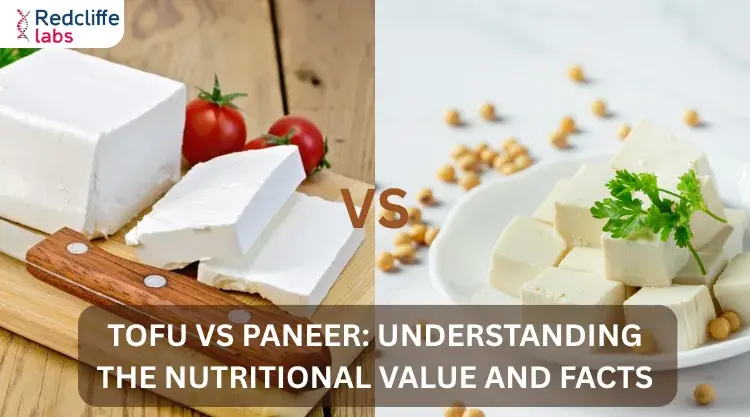
Food And Nutrition
Tofu Vs Paneer: Understanding the Nutritional Value and Facts
Food And Nutrition
10 Incredible Health Benefits of Eating Yoghurt Daily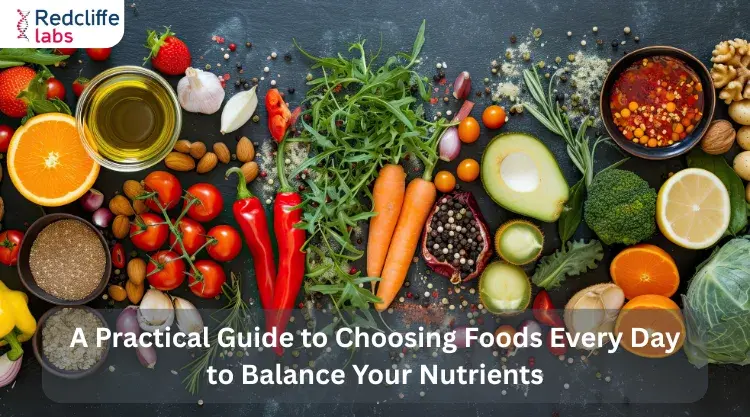
Food And Nutrition
A Practical Guide to Choosing Foods Every Day to Balance Your Nutrients