How Long Does Dengue Fever Last? Symptoms, Stages & Recovery Time

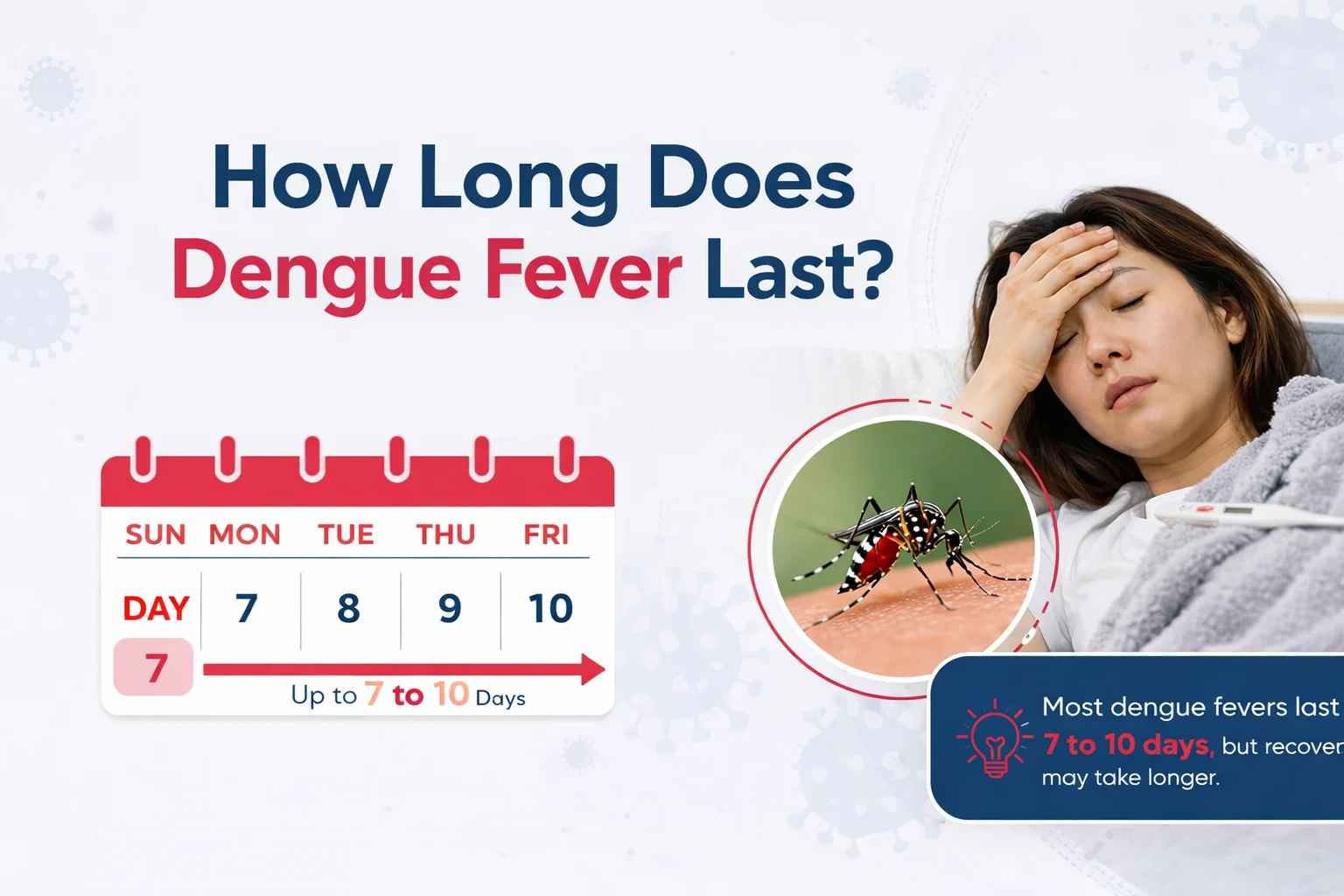
Dengue fever does more than just cause a high temperature. It can lower your energy, weaken your immune system, affect hydration, reduce appetite, and decrease blood platelets. Many people worry because their symptoms change from day to day. One day, the fever is high; the next, weakness can feel overwhelming. This leads many to ask how long dengue lasts and when real recovery happens. Dengue fever usually lasts 7 to 10 days, but full recovery can take longer, depending on your health.
It's important to know the stages of dengue, as serious symptoms can appear even after the fever subsides. That's why you should keep up with medical checkups, even if you start to feel better. In this blog, we'll cover how long dengue lasts, recovery tips, and ways to prevent dengue fever.
Also Read: Viral vs Bacterial Fever: Symptoms and Treatment Differences
What Is Dengue Fever?
Dengue fever is a viral infection transmitted by mosquitoes, mainly Aedes aegypti. These mosquitoes usually bite during the day, especially early morning and late evening. Dengue spreads more rapidly during rainy, humid seasons because mosquitoes breed in still water. Water left in coolers, buckets, flower pots, tanks, and open containers can help mosquitoes multiply around your home.
There are four types of dengue viruses, so it's possible to get dengue more than once. Sometimes, a second infection can be more serious than the first. Symptoms of dengue usually show up 4 to 10 days after a mosquito bite. The illness can be mild, like the flu, or severe, affecting blood vessels and organs. Getting diagnosed early and receiving the right care are important because complications can develop quickly if the illness worsens.
How Long Can Dengue Fever Continue?
A high fever in dengue usually lasts 2 to 7 days. The fever often starts suddenly and may remain above 102°F or 103°F for several days. In some patients, the fever resolves and then recurs after a short interval. This pattern is sometimes called "saddleback fever." The body's immune system reacts strongly to the dengue virus, which causes high temperatures, chills, and sweating. In addition to fever, patients may experience severe headache, body aches, nausea, and fatigue.
Doctors usually recommend monitoring temperature regularly during this period. Patients should stay hydrated and take medicines only as advised by healthcare professionals. Self-medication with certain painkillers can increase bleeding risk in dengue. If fever persists beyond one week or is accompanied by breathing problems, severe stomach pain, bleeding, or confusion, immediate medical evaluation is necessary, as these symptoms may indicate complications.
What are the Stages of Dengue Fever?
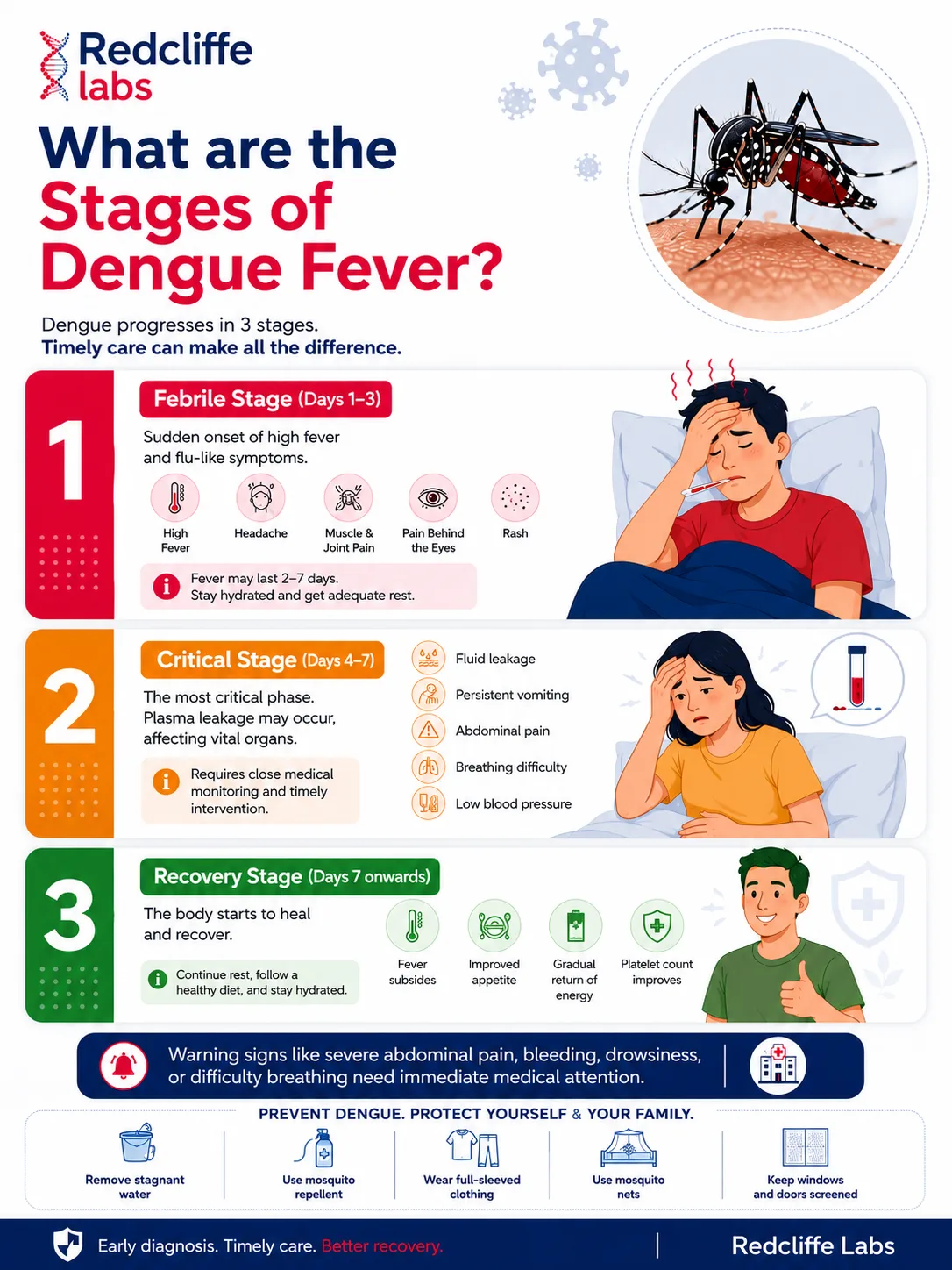
Dengue fever usually has three main stages. Knowing about these stages helps you and your family understand what to expect during recovery.
1. Febrile Stage
The first stage lasts about 2 to 7 days. You may get a sudden high fever, chills, body pain, headache, nausea, vomiting, and weakness. Many people also feel pain behind the eyes and strong muscle aches.
Fever can reach 104°F or higher. Dehydration is common at this stage due to sweating, vomiting, and reduced food intake. It's very important to drink plenty of fluids.
2. Critical Stage
This stage usually begins when the fever starts to go down. Many people think they are getting better, but this can actually be the most dangerous time. Platelet counts may fall, and fluid can leak inside the body. Pain, breathing difficulty, or extreme weakness may occur. Immediate medical attention is necessary if warning signs appear.
3. Recovery Stage
During recovery, your platelet levels start to improve, your appetite comes back, and your energy slowly returns. The fever goes away, and your body begins to heal. Still, weakness and tiredness can last for several weeks.
Why Does Weakness Last Longer After Dengue?
Many people feel frustrated because weakness persists even after dengue fever has resolved. This happens because dengue affects the entire body and significantly depletes energy levels. During infection, the immune system works continuously to fight the virus. High fever, dehydration, reduced appetite, and low platelet levels can make the body extremely exhausted. Muscle tissue also becomes inflamed, leading to prolonged fatigue and body pain.
In some cases, people experience weakness for 2 to 4 weeks after recovery. Climbing stairs, walking long distances, or returning to work may feel difficult during this time. Proper nutrition and rest play a major role in recovery. Drinking enough fluids, eating fruits and protein-rich foods and soups, and getting enough sleep can help you regain strength faster. People should avoid intense exercise immediately after dengue, as the body still needs time to heal fully. Recovery should happen gradually and patiently.
When Does Platelet Count Drop in Dengue?
Platelet counts usually begin to decline in the later part of the febrile stage or during the critical stage, often around the third to fifth day of illness.
Platelets help your blood clot. If your platelet levels get too low, the risk of bleeding goes up. But not everyone with dengue will have dangerously low platelets. Doctors regularly monitor platelet levels through blood tests during a dengue infection. A sudden drop in platelet count, combined with warning symptoms, may indicate severe dengue.
Hearing about platelet counts can worry people, but the numbers alone don't indicate how severe dengue is. Doctors also look at hydration, signs of bleeding, blood pressure, and your overall health. Don't take medicines without your doctor's advice, as some can raise the risk of bleeding. Staying hydrated and following medical advice are more important than trying home remedies to raise platelet counts quickly.
How Long Does It Take to Recover Completely From Dengue?
Most people recover from dengue in 1 to 2 weeks, but full recovery can take longer. Your body needs time to get its strength back after fighting the virus.
The fever usually goes away within a week. Platelet counts often improve over the next few days, and your appetite returns as you recover. Knees and tiredness can continue for several weeks. Some people feel exhausted even after small physical activities. Sleep problems, reduced concentration, and body aches may also remain temporarily.
You can recover faster by staying hydrated, eating healthy foods, and getting enough rest. Fresh fruits, coconut water, soups, protein, and iron-rich foods all help your body heal. If you have severe dengue or need to be in the hospital, recovery may take longer. Older adults and people with weaker immune systems may also take longer to recover than healthy young adults.
Also Read: Common Causes of Persistent Fever and How Tests Can Help
What Foods Help During Dengue Recovery?
Food is very important during recovery from dengue. Dengue can make the body weak and cause loss of energy and fluids. That is why healthy food and enough fluids are needed for faster recovery. Drinking enough fluids should be the main focus. Coconut water, lemon water, ORS, soups, and fresh juices help keep the body hydrated. Dehydration can worsen weakness and symptoms.
Fruits like papaya, pomegranate, orange, kiwi, and watermelon help boost immunity and provide the body with essential vitamins. Protein-rich foods like eggs, dal, paneer, curd, chicken soup, and pulses help the body regain strength. Light foods such as khichdi, boiled vegetables, soups, and soft foods are easier to digest and gentle on the stomach. Patients should avoid oily, spicy, and junk foods because they can worsen stomach problems and contribute to weakness during recovery.
How to Prevent Dengue Fever?
Here are the following ways you can prevent dengue:
- Avoid mosquito bites by wearing full-sleeved clothes, especially during the monsoon season.
- Use mosquito repellent and sleep under a mosquito net for extra protection.
- Keep your home clean and dry to stop mosquitoes from breeding.
- Do not allow water to collect in coolers, flowerpots, buckets, old tires, or open containers, as mosquitoes lay eggs in stagnant water.
- Install proper window and door screens to keep mosquitoes out of the house.
- Support community cleanliness drives and mosquito control programs in your area.
- Parents should take extra care of children, as early dengue symptoms may go unnoticed.
- Older adults and people with weakened immune systems should be more careful during the dengue season.
- Simple preventive steps can greatly reduce the risk of dengue and help protect your family.
Final Thoughts
Dengue fever usually lasts about 7 to 10 days, but full recovery can take several weeks, depending on how severe the infection is and how your body heals. The fever often resolves in a few days, but weakness and fatigue can persist. Watch your symptoms closely, and get medical help if you notice any warning signs. Recovery from dengue requires patience, rest, and proper nutrition. Most people recover completely with timely care and supportive treatment. Prevention remains essential because dengue can recur. Simple precautions such as avoiding mosquito breeding sites, using repellents, and maintaining cleanliness can significantly reduce the risk of dengue. Staying informed and alert is the best way to protect yourself and your family during dengue season.
To help patients recover, Redcliffe Labs offers free diet consultations and expert report consultations. These services can help you understand your health reports, recovery needs, and nutrition during your recovery from dengue. Getting early advice and proper monitoring can make recovery smoother.
FAQs
How many days does dengue fever usually last?
Dengue fever usually lasts for 5 to 7 days. In most people, a high fever starts suddenly and may continue for a few days along with headache, body pain, weakness, and nausea. Some people recover quickly, while others may feel tired for longer. Proper rest, fluids, and medical care are important for supporting recovery and preventing complications during illness.
What is the recovery time for dengue fever?
Recovery from dengue fever may take around 1 to 2 weeks in most cases. The fever often improves within a week, but weakness and tiredness can continue for several days. Eating healthy food, drinking enough fluids, and taking proper rest can help the body recover faster. Severe dengue cases may need more time and careful medical monitoring during recovery.
Can dengue fever last more than a week?
Yes, dengue fever can sometimes last more than a week. While the fever usually settles within 5 to 7 days, symptoms like weakness, tiredness, poor appetite, and body pain may continue longer. In severe cases, complications can also delay recovery. It is important to monitor symptoms closely and consult a doctor if fever or discomfort continues for many days.
How long does weakness continue after dengue?
Weakness after dengue can continue for a few days or even several weeks in some people. The body tires because dengue lowers energy levels, and recovery takes time. Many people feel low energy, muscle weakness, or fatigue even after the fever is gone. Proper sleep, healthy meals, hydration, and gradual activity can help improve strength during recovery.
When does dengue fever start going down?
Dengue fever usually starts to decline after 3 to 5 days from the onset of symptoms. During this time, body temperature may slowly return to normal. However, this phase is important because some people can develop complications even after the fever has reduced. Continuous monitoring, hydration, and medical advice are important until the patient fully recovers from dengue.
Does dengue fever come and go?
Yes, dengue fever may sometimes come and go. Some people notice their fever reducing for a short time and then rising again. This pattern can happen during dengue infection along with body pain, headache, and weakness. Even if the fever decreases, medical attention is still important because the critical phase of dengue may begin when the temperature starts falling in some cases.
How long is the critical phase of dengue?
The critical phase of dengue usually lasts for about 24 to 48 hours. It often begins when the fever starts reducing. During this time, some people may develop complications like low platelet count, bleeding, or fluid leakage. Close monitoring by a doctor is very important during this phase, especially in children, older adults, and people with severe symptoms.
How many days does the platelet count stay low in dengue?
Platelet count in dengue usually stays low for around 3 to 7 days. In many cases, the count begins to improve as recovery starts. However, some people may recover faster or slower depending on the severity of the infection. Regular blood tests and doctor monitoring are important for tracking platelet levels and avoiding serious complications during dengue.
Can dengue symptoms last after the fever is gone?
Yes, dengue symptoms can continue even after the fever is gone. Many people still experience weakness, tiredness, body pain, joint pain, poor appetite, or low energy for several days. Recovery may take time because the body needs to regain strength after infection. Proper hydration, nutrition, and enough rest can help reduce symptoms and support faster healing after dengue.