Fever in Children: Symptoms to Watch & When to See a Doctor

Medically Reviewed By
Dr. Mayanka Lodha Seth
Written By Kirti Saxena
on May 13, 2025
Last Edit Made By Kirti Saxena
on Jul 19, 2025
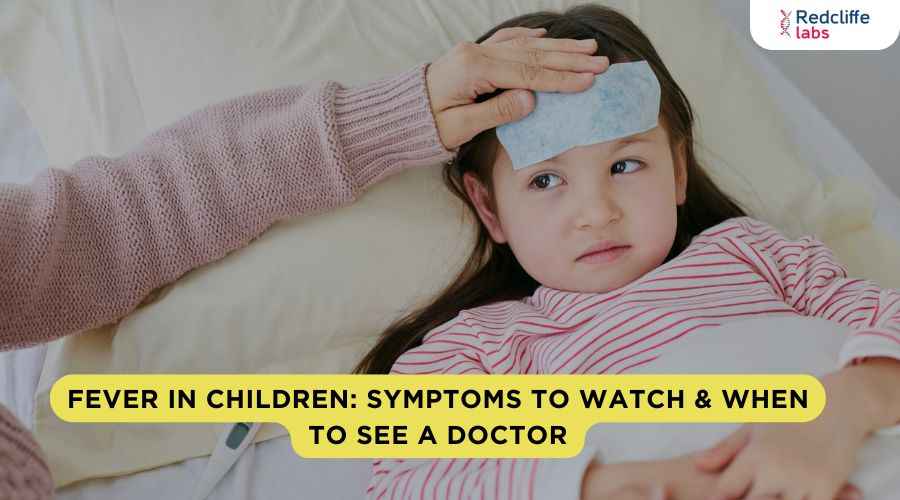
Does your child have a fever? Are you a parent and worried about your child? Well, you are not alone.
This is common in that a child might feel fine or normal for some time, and the next minute, they feel warm and suddenly more tired than usual. Fever is not a disease; it's a sign that something is happening in the body. But what is this something?
As a parent, you need to understand what a fever means in children, the causes of fever in kids, how to manage it, and when to seek medical attention.
Let's learn about fever in children, including symptoms to watch, how to treat it at home, and when to call a doctor.
What is Fever in Children?
A fever does not always mean something serious. It might indicate that the body is fighting against an infection or illness. A fever is a rise in body temperature above the normal range, which for most children is around 98.6°F (37°C). A child has a fever if the temperature is 100.4°F (38°C) or higher.
What Causes Fever in Children?
There are many possible reasons your child may develop a fever. The most common causes of fever in children include:
- Infections: This is one of the common causes of fever in children. It includes:
- Viral infections like the common cold, flu, and COVID-19
- Bacterial infections like strep throat, ear infections, and urinary tract infections.
- Vaccinations: Some children may develop a mild fever after routine vaccinations. This is common, short-lived, and not a cause for concern.
- Overheating: Overdressing or spending time in a hot environment may raise a child's temperature.
- Teething: Sometimes, teething might cause a fever in kids.
Also read: Top 5 Reasons for Fever During Monsoon and Tests to Diagnose Them.
When is a Fever a Sign of Something Serious?
Most fevers are harmless and go away on their own. If the child is active, it means the fever isn’t serious. However, here are some signs that indicate fever is a symptom of something serious:
- 100.4°F (38°C) or higher fever in a baby younger than 3 months
- A fever that lasts more than 3 days
- The child is very drowsy, irritable, or unresponsive
- Trouble breathing
- Persistent vomiting or diarrhea
- Signs of dehydration (dry mouth, no tears, less urination)
- Stiff neck, rash, or seizure
Notice the signs, and if you feel something is wrong, it's okay to seek medical advice.
What are the Common Signs of a Fever in Children?
Aside from a high temperature, here are some common symptoms of fever in children:
- Having red or flushed skin
- Sweating or chills
- Lethargy or low energy
- Loss of appetite
- Acting differently
- Body aches or headaches
- Irritability or crying more than usual
- Feeling warm or hot to the touch
Children often show behavioral changes before their temperature rises, so watch their symptoms closely.
How to Accurately Check a Child’s Temperature?
If you doubt that your child has a fever, you can use a digital thermometer. However, other methods exist for measuring a child's true body temperature.
- Rectal Thermometer- Best for babies under 3 years old. Provides the most accurate reading.
- Oral Thermometer- Suitable for children 4 and older who can hold the thermometer under the tongue.
- Axillary (underarm) Thermometer- Less accurate but useful for quick toddler checks.
- Tympanic (ear) Thermometer- Quick and convenient, best for children over 6 months.
Your child has a fever if the temperature is at or above one of these levels:
- Rectal (in the bottom), tympanic (in the ear), or temporal artery (across the forehead): 100.4°F (38°C)
- Oral (in the mouth): 100°F (37.8°C)
- Axillary (under the arm): 99°F (37.2°C)
Tips to use a thermometer:
- Always follow the thermometer instructions
- Clean the thermometer after each use
- Avoid taking an oral temperature immediately after eating or drinking
Read more: 12 Common Types of Fevers- Symptoms & Precautions
Simple Tips to Manage Fever Symptoms in Kids
No treatment is required if the child is still playing, eating, and drinking normally and doesn't have pain. If the fever is high and causes discomfort, give medicine or consult your doctor.
Comfort tips:
- Keep your child hydrated with water, electrolyte drinks, or breastmilk/formula for infants
- Dress your child in lightweight clothing
- Keep the room cool and well-ventilated
- Make them comfortable and try to sleep with them
Medications:
- Use fever-reducing medications like acetaminophen (Tylenol) or ibuprofen (Advil)
- Always follow dosage guidelines based on age and weight
Talk to your pediatrician before giving any medication, especially to children under 2.
How to reduce fever in children naturally?
Here are some effective ways to take care of a child with a fever at home:
- Sponge bath: Use lukewarm water to cool your child gently. Avoid cold water or alcohol baths.
- Fluids: Offer clear fluids regularly. Popsicles or ice chips can also help older kids.
- Rest: Let your child sleep as much as they need.
- Nutrition: Don’t force food if your child isn’t hungry. Light, nutritious meals are best.
Avoid bundling your child in blankets or layers unless they are shivering.
When to Call Your Doctor
You should contact your doctor or pediatrician if:
- Your baby is younger than 3 months with a rectal temperature of 100.4°F or higher
- Fever lasts longer than 72 hours in children of any age
- Temperature exceeds 104°F (40°C)
- Your child has a seizure
- Symptoms worsen or new symptoms develop
- Stiff neck
- Severe headache
- Blue lips, tongue, or nails
- Sluggishness and trouble waking up
- Has lasting diarrhea or repeated vomiting
- Your child has a weakened immune system or other underlying condition
Key Takeaways
All kids get a fever, so don't be so worried. It's a natural sign that the body is fighting an infection. You can manage your child's fever at home with some basic knowledge and a calm approach. However, don't delay consulting a pediatrician if the symptoms are severe and you are unaware of them.
FAQ’s
1. When should a child see a doctor for a fever?
You should consult your doctor for a fever if the child is under 3 months old and has a rectal temperature of 100.4°F (38°C) or higher, or if they are 3 months or older and have a temperature higher than 102.2°F (39°C).
2. When should you worry about a fever in a child?
Worry about a child’s fever if they are under 3 months with a temperature of 100.4°F (38°C) or higher, if the fever lasts over 3 days, exceeds 104°F (40°C), or if your child is unusually drowsy, has difficulty breathing, a rash, seizure, or shows signs of dehydration.
3. What is the danger zone for a fever in a child?
A fever becomes dangerous in children when it reaches 104°F or higher, or if the child is under 3 months old and has a temperature of 100.4°F or more. Seek medical help if the fever lasts over 3 days or if there are seizures, rash, or difficulty breathing.
4. How long must you wait with a fever before seeing a doctor?
You should see a doctor if a fever lasts more than 3 days, is 104°F or higher, or if your child is under 3 months with any fever. Seek immediate medical attention if other symptoms include rash, trouble breathing, dehydration, or unusual drowsiness.
5. How can a 104°F fever in children be reduced?
To reduce fever in children, keep them hydrated, dress them in light clothing, use a lukewarm sponge bath, and keep the room cool.