Red Blood Cells (RBCs): Functions, Role, and Importance

Medically Reviewed By
Dr. Mayanka Lodha Seth
Written By Kirti Saxena
on Apr 19, 2025
Last Edit Made By Kirti Saxena
on Jul 19, 2025
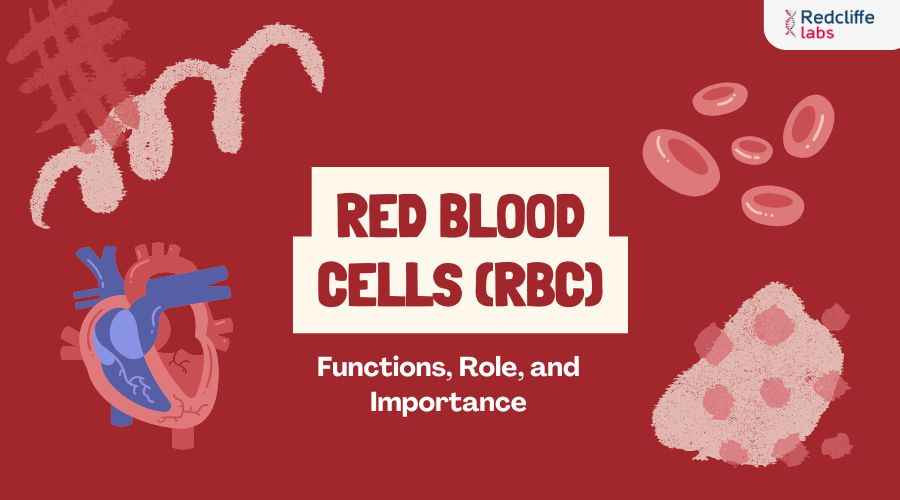
Red blood cells, also known as erythrocytes, play a key role in the human body. They constitute 40-45% of the total blood volume. RBCs are formed in your body's bone marrow and are released into the blood once they have fully matured, which takes around seven days. The life of RBCs is about 120 days.
Red blood cells mainly function to transport oxygen to body tissues and remove carbon dioxide for exhalation. Oxygen converts into energy, which is essential for maintaining a healthy body. Red blood cells carry oxygen due to a protein called hemoglobin. Hemoglobin, a component of the heme group, gives red blood cells their color. The "globin" group is a protein that supports the red blood cells in carrying and holding oxygen throughout the body.
In this article, we will delve into the importance of Red blood cells, their functions, and their roles in detail.
What is the Importance of Red Blood Cells in the Human Body?
RBCs are fundamental to human survival. They are responsible for:
- Oxygen Transport- RBCs contain hemoglobin, a protein that binds to oxygen in the lungs and transports it to tissues and organs. Without enough RBCs, the body experiences fatigue, dizziness, and weakness.
- Removal of Carbon Dioxide—RBCs help carry carbon dioxide from body tissues back to the lungs, where it is exhaled. This process prevents toxic buildup and maintains the blood's pH balance.
- Maintaining Blood Viscosity and Circulation—Adequate RBC levels help maintain proper blood thickness, ensuring smooth circulation. A low RBC count can lead to anemia, which causes poor oxygen delivery and reduced energy levels.
- Supporting Immune Function - Healthy RBC levels support the immune system by nourishing white blood cells (WBCs) and helping to prevent infections.
- Regulating Body Temperature - RBCs help distribute heat throughout the body, thereby maintaining a stable internal temperature.
- Nutrient Distribution - Along with oxygen, RBCs help transport essential nutrients to various organs, promoting cell growth and repair.
What Do Red Blood Cells Do?
Here are five functions of red blood cells:
- Oxygen Delivery- Hemoglobin within RBCs binds oxygen in the lungs and transports it to different body parts.
- Carbon Dioxide Transport- RBCs help remove waste carbon dioxide by carrying it back to the lungs for exhalation.
- Regulating Blood Pressure- Nitric oxide in RBCs helps regulate vascular tone and blood pressure.
- Healing and Repair - RBCs assist in wound healing by ensuring a proper oxygen supply to damaged tissues.
- Maintaining Blood Viscosity - They help keep the appropriate thickness of blood, preventing clotting or excessive thinning.
What are the Common Conditions That Affect Red Blood Cells?
Several conditions can impact RBC function and count, including:
Medical conditions that affect low red blood cell count include-
- Anemia- A condition where the RBC count or hemoglobin level is too low, leading to fatigue and weakness.
- Blood loss- A condition in which your body loses more blood cells than it can produce.
- Cancer - Certain cancer treatments and chemotherapy can affect the number of red blood cells produced.
Medical conditions that affect red blood cell count include-
- Polycythemia- An excessive number of RBCs, increasing the risk of clot formation.
- Sickle Cell Disease- A genetic disorder causing misshapen RBCs, leading to blockages in blood flow.
- Thalassemia- A hereditary condition that affects hemoglobin production and results in anemia.
- Congenital Heart disease- One or more structures in your heart are irregular due to not forming completely during fetal development.
- Lung disease- The tissue of the lungs scars due to emphysema, COPD, or pulmonary fibrosis.
What are the Common Symptoms of Red Blood Cell Conditions?
Symptoms of RBC-related disorders vary but commonly include:
- Fatigue and weakness
- Shortness of breath
- Dizziness or lightheadedness
- Pale or yellowish skin
- Cold hands and feet
- Irregular heartbeats
- Headaches and difficulty concentrating
Also read: RBC Count High, Good, or Bad? Symptoms, Causes, and Prevention
What Causes a Low Red Blood Cell Count?
A low RBC count can result from several factors, including:
- Nutritional Deficiencies- Lack of iron, vitamin B12, or folic acid.
- Chronic Diseases- Kidney disease, cancer, or autoimmune disorders.
- Blood Loss- Heavy menstrual periods, ulcers, or internal bleeding.
- Bone Marrow Disorders- Conditions affecting RBC production, such as leukemia or aplastic anemia.
- Medications- Certain drugs can interfere with RBC production, including chemotherapy agents.
What are the causes of High Red Blood cell count?
The high RBC count may be due to:
- Dehydration- Reduced plasma volume can make RBC levels appear higher.
- Heart and Lung Diseases - Chronic conditions like COPD increase red blood cell (RBC) production.
- Smoking leads to higher RBC production to compensate for oxygen deprivation.
- Bone Marrow Disorders- Such as polycythemia vera, a condition causing excessive RBC production.
- High Altitudes - Low oxygen levels at high elevations trigger increased red blood cell (RBC) production.
What is the Normal Red Blood Cell Count in the Human Body?
The normal RBC count varies by age, sex, and health condition. The Red Blood Cell Count normal range is-
| Population Group | Normal RBC Count (million cells per microliter of blood) |
| Men | 4.7 - 6.1 |
| Women | 4.2 - 5.4 |
| Children | 4.1 - 5.5 |
Read more: RBC Normal Range: What is the Normal Count, its Cost in India
Blood Tests to Measure Red Blood Cells
There are several blood tests to assess RBC health; doctors may recommend the following tests:
- Complete Blood Count (CBC): Measures RBC count, hemoglobin, and hematocrit levels.
- Reticulocyte Count: Evaluates new RBC production.
- Hemoglobin Test: Determines the oxygen-carrying capacity of blood.
- Hematocrit Test: The test measures the percentage of Red blood cells in the blood.
- Iron Studies: Checks iron levels and storage.
- Bone Marrow Test: A biopsy may be performed if a severe red blood cell (RBC) disorder is suspected.
What are the common treatments for Red blood Cell disorders?
Treatment for Red blood cell disorders may vary based on the diagnosis and severity of the condition. The treatment may vary-
- Taking Vitamins
- Eating a well-balanced diet.
- Treating existing medical conditions.
- Getting a blood transfusion.
Tips to Increase Red Blood Cell Count
Here are some tips to help you improve your red blood cell count.
- Eat Iron-Rich Foods: Consume iron-rich foods like spinach, red meat, lentils, and nuts.
- Consume Vitamin B12 & Folate: Found in eggs, dairy, citrus fruits, leafy greens, beans, and fortified cereals.
- Drink more water: Drink at least 8-10 glasses of water throughout the day.
- Exercise Regularly: Engage in daily exercise for at least 30-45 minutes. Try walking, jogging, or cycling, as physical activity stimulates the production of RBCs.
- Avoid Smoking & Excessive Alcohol: Avoid consuming alcohol and toxic substances as they can negatively impact RBC health.
- Take Supplements If Needed: Consult a doctor to determine if you are deficient in iron or vitamins, and if so, consider taking supplements.
- Manage Chronic Conditions: Take charge of your health and manage pre-existing conditions, such as diabetes, infections, and kidney disease, to maintain healthy RBC levels. Get regular health checkups.
Also read: How to Increase RBC Count Naturally?
The Key Takeaways
Red blood cells (RBCs) are the lifeline of the human body. They supply oxygen, remove waste, and help absorb nutrients. A healthy RBC count is crucial for ensuring proper blood circulation, maintaining pH balance, and regulating body temperature, all of which are essential for overall health.
Low RBC levels can lead to anemia, which causes fatigue, weakness, and a reduced immune system. If your RBC count is too high, then it is a matter of concern. Consult with your doctor, and they might recommend additional tests or treatments.
To maintain healthy RBC count levels and prevent blood-related disorders, a balanced diet, adequate hydration, and regular medical checkups are necessary.
FAQ’s
1. What is hemoglobin within red blood cells?
Hemoglobin is a protein rich in iron found in red blood cells. It carries oxygen from the lungs to the body's tissues and organs, and transports carbon dioxide back to the lungs for excretion.
2. What is the fastest way to increase red blood cells?
Consume iron-rich foods like legumes, citrus fruits, leafy greens, dried fruits, and take iron supplements to increase your red blood cell count. Increase your exercise levels and reduce your alcohol intake.