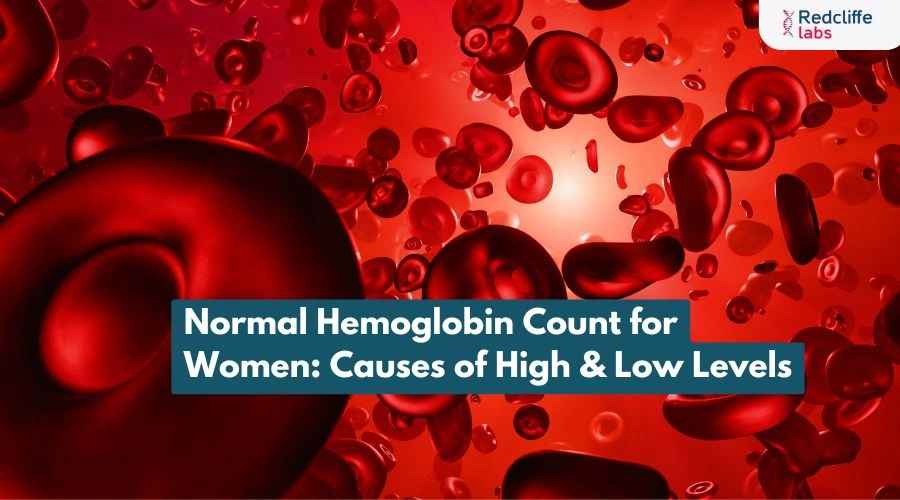
Normal Hemoglobin Count for Women: Causes of High & Low Levels

Your blood does much more than flow through your body. It carries oxygen and nutrients to every organ, and hemoglobin is the key protein that makes this possible. Hemoglobin helps transport oxygen from your lungs to the rest of the body, keeping you active and healthy. For women, maintaining a normal hemoglobin level is very important, but many factors, such as iron deficiency, poor diet, heavy periods, pregnancy, and hormonal changes, can affect these levels. When hemoglobin levels are too low or too high, they may cause symptoms such as fatigue, weakness, dizziness, headaches, or shortness of breath.
Understanding your hemoglobin levels can help you detect health problems early and improve your overall well-being. In this blog, we will explain the normal hemoglobin range for females, the causes of imbalance, warning signs to watch for, and simple lifestyle and dietary changes that can help maintain healthy hemoglobin levels naturally.
Also Read: How to increase Hemoglobin? Essential Steps for Better Health
Understanding Hemoglobin: The Body's Oxygen Carrier
Hemoglobin is an important protein present in red blood cells. It contains iron and plays a major role in carrying oxygen from the lungs to all parts of the body. Every organ, muscle, and tissue needs oxygen to function properly, and hemoglobin helps deliver it efficiently.
When hemoglobin levels are normal, the body gets enough oxygen to produce energy and maintain good health. However, low hemoglobin levels can reduce oxygen supply, making you feel tired, weak, dizzy, or short of breath. In severe cases, it can affect daily activities and overall well-being. Maintaining healthy hemoglobin levels is important for keeping the body active and strong.
What Is a Normal Hemoglobin Range for Women?
For most nonpregnant women, the normal hemoglobin level is between 12.0 and 15.5 g/dL. Hemoglobin helps carry oxygen throughout the body and keeps you healthy and active.
However, this range can vary slightly for each woman. Factors like age, overall health, pregnancy, ethnicity, and even the place where you live can affect hemoglobin levels. Different laboratories may also use slightly different normal ranges in their reports.
That is why it is important to discuss your test results with a doctor to understand what is normal for your body.
What do low hemoglobin levels mean?
When your hemoglobin drops below the 12.0 g/dL mark, you are clinically considered anemic. This is incredibly common in women, yet it should never be dismissed as "normal."
Common Causes of Low Hemoglobin
Here are the following causes that contribute to low hemoglobin levels in women:
- Iron Deficiency: This is the leading cause globally. Iron is a building block of hemoglobin; without it, your body simply cannot produce enough. This often stems from a diet low in iron-rich foods or a body that struggles to absorb the mineral effectively.
- Menstrual Loss: Monthly cycles are a primary reason women face lower levels than men. Heavy periods (menorrhagia) can result in significant blood loss over time, depleting iron stores faster than the body can replenish them, eventually leading to a drop in hemoglobin.
- Pregnancy Demands: Your blood volume increases by about 50%. Your body needs extra hemoglobin to support the growing fetus and placenta. If your intake doesn't match this massive demand, "dilutional anemia" or true iron-deficiency anemia can quickly set in.
- Vitamin Deficiencies: It's not just about iron. Your body also requires Vitamin B12 and Folate (B9) to manufacture healthy red blood cells. A deficiency in either can lead to "megaloblastic anemia," where cells are large and dysfunctional, failing to carry oxygen properly.
Symptoms to Watch Out For
Here are the following symptoms that are important to observe:
- Chronic Fatigue: This isn't your standard "tired after work" feeling. It's a heavy, limb-dragging exhaustion that doesn't improve with sleep, caused by your heart having to work harder to circulate oxygen to your deprived tissues and brain.
- Pale or Sallow Skin: Hemoglobin gives blood its red color. When levels are low, the skin, inner eyelids, and nail beds can lose their healthy pinkish hue, appearing pale or even yellowish, as the body redirects blood to vital organs.
- Shortness of Breath: If you find yourself huffing and puffing after climbing a single flight of stairs, your hemoglobin might be low. Your lungs are trying to compensate for the blood's inability to carry enough oxygen by taking in more air.
- Cold Hands and Feet: Low hemoglobin can affect your internal "thermostat." When the body is short on oxygen, it prioritizes the core and brain, reducing circulation to the extremities, which leaves your fingers and toes feeling perpetually chilled and numb.
What do low hemoglobin levels mean?
While less common than low levels, high hemoglobin (above 15.5 g/dL) can be just as concerning. It often indicates that your body is overcompensating for a perceived lack of oxygen or that your blood is becoming too "thick."
Common Causes of High Hemoglobin
Here are the following causes that contribute to high hemoglobin levels in women:
- High Altitude Living: If you live in the mountains, the air has less oxygen. To compensate, your kidneys produce a hormone called erythropoietin, which signals the bone marrow to pump out more hemoglobin to grab every available oxygen molecule.
- Dehydration: Sometimes the high count is an illusion. When you are severely dehydrated, the plasma (the liquid part of your blood) decreases. This makes the concentration of hemoglobin appear higher than it actually is, even if your total red cell mass is normal.
- Smoking: Chronic smoking reduces the amount of oxygen that can bind to hemoglobin because carbon monoxide takes its place. In response, the body tries to produce more hemoglobin to ensure that at least some oxygen reaches the vital tissues.
- Kidney or Heart Disease: Certain conditions can trick the body into thinking it's starving for oxygen. Heart failure or kidney tumors can trigger an overproduction of red blood cells, leading to dangerously thick blood that increases the risk of clots and strokes.
Symptoms to Watch Out For
Here are the following symptoms that are important to observe:
- Dizziness and Headaches: When hemoglobin is too high, blood becomes more viscous (thick). This thick blood moves more slowly through the small vessels in the brain, leading to frequent "heavy" headaches, lightheadedness, or even blurred vision as circulation slows.
- Flushed Skin: Unlike the paleness of anemia, high hemoglobin can cause a "ruddy" or overly red complexion, particularly in the face, neck, and palms. This is due to the sheer volume of red-pigmented cells crowding the surface capillaries.
- Itching After a Shower: This is a classic, though strange, symptom of high red cell counts. Warm water can trigger the release of histamines from sensitive cells in the blood, leading to intense itching (aquagenic pruritus) that occurs immediately after bathing.
- Joint Pain: Thick blood can lead to poor circulation in the joints and, in some cases, an increase in uric acid. This often manifests as sharp pain, particularly in the big toe or knees, mimicking the symptoms of gout or inflammatory arthritis.
How to Maintain Healthy Hemoglobin Levels?
Here are the top tips to maintain healthy hemoglobin levels:
Dietary Interventions
For women, the plate is the first line of defense. Incorporating "Heme" iron (from animal products like lean beef or poultry) and "Non-Heme" iron (from spinach, lentils, and fortified cereals) is essential. Pro-tip: Always pair iron-rich foods with Vitamin C (like oranges or bell peppers) to boost absorption by up to 300%.
Routine Screening
A simple Complete Blood Count (CBC) test is all it takes to know your numbers. Women of childbearing age or those with restrictive diets (like veganism) should ideally have their levels checked annually to catch downward trends before they become symptomatic.
Supplementation with Caution
If your levels are low, your doctor might recommend an iron supplement. However, "more is not always better." Excess iron can be toxic to the liver and cause digestive distress. Always supplement under medical supervision and retest after three months to ensure you haven't overshot the mark.
Hydration and Lifestyle
Staying hydrated prevents the "false highs" of dehydration. Additionally, if you smoke, quitting is the most effective way to normalize a high hemoglobin count and improve your overall cardiovascular health. Small changes in daily habits can lead to profound shifts in blood chemistry.
Final Thoughts
Hemoglobin is the silent workhorse of the female body, bridging the gap between the air you breathe and the energy you feel. By understanding the "why" behind your levels, you move from being a passive observer to an active participant in your wellness. If you're feeling off, don't ignore the signals - your blood is telling a story.
To get the clarity you deserve, Redcliffe Labs makes testing effortless. They offer free home sample collection, bringing the lab right to your doorstep so you don't have to disrupt your day. Plus, their Smart Reports break down complex data into easy-to-understand insights, helping you take decisive action. Don't leave your health to guesswork; book your test today and fuel your vitality with confidence.
FAQs
1. What is the normal hemoglobin level for women by age?
The normal hemoglobin level for most adult women is usually between 12.0 and 15.5 g/dL. Teen girls may have slightly lower levels, while older women can have small variations depending on health conditions. Pregnancy, diet, and lifestyle can also affect hemoglobin levels. A blood test helps determine whether your hemoglobin is within the healthy range.
2. What is considered a low hemoglobin level in women?
A hemoglobin level below 12 g/dL is generally considered low in women. Low hemoglobin levels may mean the body is not getting enough oxygen, which can lead to anemia. Mild, moderate, or severe deficiency depends on the actual value. A doctor may recommend further tests to find the exact cause and proper treatment.
3. What causes low hemoglobin levels in females?
Low hemoglobin in females can result from iron deficiency, heavy menstrual bleeding, pregnancy, poor nutrition, vitamin deficiencies, chronic diseases, or blood loss. Conditions such as kidney disease and thyroid disease may also reduce hemoglobin levels. In some cases, infections or genetic disorders can affect the body's ability to produce healthy red blood cells.
4. What are the symptoms of low hemoglobin in women?
Common symptoms of low hemoglobin in women include tiredness, weakness, dizziness, pale skin, headaches, shortness of breath, and a fast heartbeat. Some women may also experience cold hands and feet or difficulty concentrating. Severe anemia can make daily activities difficult. If these symptoms continue, a blood test and medical advice are important.
5. What causes high hemoglobin levels in women?
High hemoglobin levels in women may occur due to smoking, dehydration, lung disease, heart problems, or living at high altitudes. In some cases, the body produces extra red blood cells in response to low oxygen levels. Certain medical conditions, such as polycythemia, can also increase hemoglobin levels. A doctor may suggest tests to identify the exact reason.
6. Is 12 g/dL hemoglobin normal for women?
Yes, 12 g/dL is generally considered the lower end of the normal hemoglobin range for adult women. However, whether it is healthy depends on age, pregnancy status, and overall health. Some women may still feel weak or tired at this level. A doctor can better interpret the result based on symptoms and medical history.
7. What foods help increase hemoglobin quickly?
Iron-rich foods like spinach, beetroot, pomegranate, dates, jaggery, red meat, eggs, lentils, and beans can help improve hemoglobin levels. Vitamin C-rich foods like oranges and lemons also help the body absorb iron better. Eating a balanced diet regularly and staying hydrated may support healthy hemoglobin production naturally over time.
8. Can iron deficiency cause low hemoglobin?
Yes, iron deficiency is one of the most common causes of low hemoglobin levels. Iron is needed to make hemoglobin in red blood cells. Without enough iron, the body cannot produce healthy red blood cells properly. This condition is called iron deficiency anemia and can cause weakness, fatigue, dizziness, and low energy levels.
9. How is hemoglobin tested in women?
Hemoglobin is tested through a simple blood test, usually as part of a Complete Blood Count (CBC). A small blood sample is taken from a vein and analyzed in a laboratory. The test measures hemoglobin levels and helps detect anemia, infections, or other health problems. Doctors may suggest fasting or additional tests if needed.
10. What diseases are associated with low hemoglobin?
Low hemoglobin can be linked to conditions such as anemia, iron deficiency, kidney disease, thyroid disorders, cancer, liver disease, and chronic infections. Blood disorders like thalassemia or sickle cell anemia may also lower hemoglobin levels. Identifying the underlying cause is important because treatment depends on the specific condition affecting the body.