Normal Calcium Levels: Range, Symptoms & Causes of Imbalance

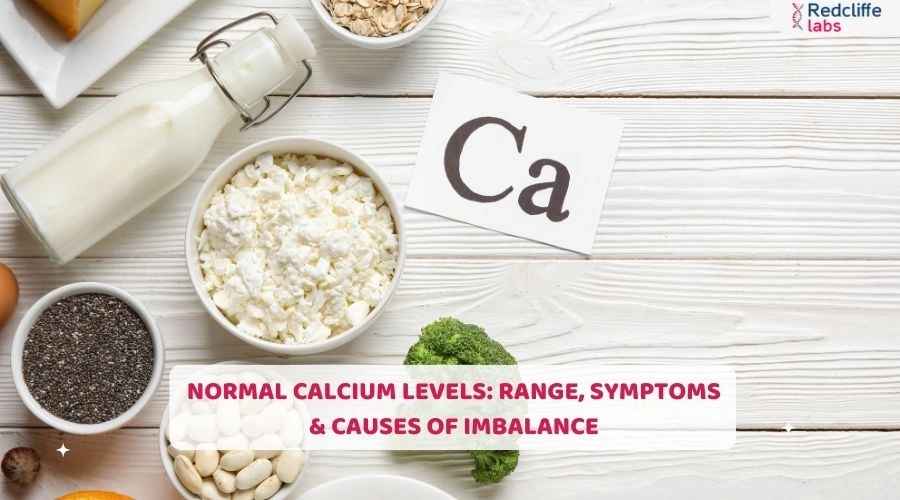
If you have ever thought that calcium is all about just drinking milk to grow tall, then you are very far from reality. Your body has a much more complex story to tell.
Calcium is the most abundant mineral in your body, but its job description goes far beyond transforming lean body mass. This allows your heart to beat, communicates with your brain via nerve cells, and serves as the glue that holds your cellular functions together. When your calcium levels are in the optimum range, that is, not too high, not too low, your body behaves like a well-oiled machine. But when this balance or equilibrium breaks, it creates real problems in your body. Now the symptoms can go from a muscle ache to some serious health complications.
In this blog, we're going to break down everything you need to know about normal calcium levels, what happens when they go off-track, and how to keep your internal chemistry in perfect harmony.
Also Read: Are You Calcium Deficient? Here Are the Signs You Need to Know
What Exactly is a Normal Calcium Level?
When you get a blood test (usually called a Serum Calcium Test), doctors focus on how much calcium is circulating in your bloodstream. It is very important to notice that your bones carry about 99% of the calcium, and the other 1% circulates into your blood. However, that 1% is so vital that your body will actually "steal" calcium from your bones to keep the blood levels steady.
The Standard or Normal Range
For most healthy adults, the normal range for total serum calcium is 8.5-10.2 mg/dL (milligrams per deciliter).
- Infants and Children: They have slightly higher calcium levels because their bones are still growing rapidly.
- Seniors: It may be on the lower side of the normal range, but if it drops too much, it is still considered abnormal.
Difference between toned and ionized calcium
Total Calcium measures all the calcium in your blood. It also includes the portion bound to proteins, such as albumin, and the free portion. It is the standard screening tool used in routine checkups.
On the other side, Ionized Calcium measures only the free or unbound calcium that is physiologically active and ready for your cells to use. This test is more precise, especially for patients with kidney disease, protein imbalances, or other chronic illnesses, as it reveals the actual amount of calcium available to the body.
How Your Body Balances Calcium
Three main components of your body help your body manage calcium levels
- The Parathyroid Glands: Four tiny glands around your neck act like a thermostat. So if your calcium gets low, they release parathyroid hormone to pull calcium from your bones and tell your kidneys to stop sending it out of your body.
- Vitamin D: This "hormone-vitamin" is the key that unlocks your intestines, allowing them to absorb calcium from the food you eat.
- The Kidneys: These act as the filter, either flushing excess calcium into your urine or recycling it back into the bloodstream.
When Levels Drop: Understanding Hypocalcemia
Hypocalcemia is the medical term for having too little calcium in your blood. Low calcium makes your nervous system irritable. Symptoms often include:
- Muscle Cramps and Spasms: When your calcium levels are low, your muscles can get stiff and fail to relax properly. You might feel a sharp pain in your legs or a sudden tightening in your back. It's basically your muscles getting stuck in a squeeze because they don't have the minerals to let go.
- Paresthesia: This is that weird, tingly sensation that feels like tiny ants crawling on your skin or a buzzing numbness around your mouth. It usually hits your fingers and toes first. It happens because your nerves are disturbed and are sending electrical signals to your brain without enough calcium to stay calm.
- Memory Loss or Confusion: Brain fog can make you confused and zoned out. You might forget why you walked into a room or struggle to follow a simple conversation. Since calcium helps your brain cells talk to each other, the low levels act as a break or pause in this conversation between the brain cells.
- Brittle Nails and Dry Skin: Calcium is like a beauty treatment for your skin. When you're running low, your body steals the mineral from your skin and nails to save it for your heart. This leaves your skin itchy and scaly, while your nails become super thin and prone to breaking.
- Abnormal Heart Rhythms: Your heart is basically a giant muscle that needs a "calcium spark" to beat. If that spark is weak, your heart might skip a beat, flutter, or feel like it's racing for no reason. It's your body's way of saying its internal battery is running dangerously low.
Common Causes of Low Calcium
Here are some common causes that are making your body deficient in calcium:
- Vitamin D Deficiency: Vitamin D is a security guard for your body, allowing calcium into your bloodstream. Even if you eat plenty of calcium-rich cheese or broccoli, it'll just pass right through you without Vitamin D. Without this key to unlock your gut, your body simply can't grab the minerals it needs.
- Hypoparathyroidism: In your neck, you have four tiny glands that act like a thermostat for your blood. Their only job is to keep calcium steady. If they quit working (hypoparathyroidism), the heat turns off. Your body loses its ability to signal for more calcium, leading to a sudden drop in your calcium levels.
- Magnesium Deficiency: Calcium and Magnesium are like a free one when you buy one. They work together. Your body needs magnesium to activate your calcium-regulating hormones. If your magnesium levels are tanking, your calcium will usually follow suit because the body's processing plant doesn't have the right tools to function.
- Kidney Issues: Your kidneys are like high-tech recycling centers. Usually, they catch calcium before it leaves your body and return it to your blood. If your kidneys are struggling, they get leaky or lazy, letting all that precious calcium wash away in your pee instead of keeping it where it belongs.
When Levels Spike: Understanding Hypercalcemia
On the flip side, we have Hypercalcemia, or too much calcium. While more might sound better, excess calcium in the blood is like adding too much salt to a soup; it disrupts the balance and can be toxic to your organs. Doctors often use a classic rhyme to describe the symptoms of high calcium:
- Stones: When you have too much calcium floating around, your kidneys can't keep up. The extra mineral begins to clump, forming stones that are incredibly painful to pass. It's basically like your internal plumbing is clogged with hard crystals because the water is too salty and contains too much calcium.
- Bones: If blood calcium levels are high, your bone bank is in danger. It's literally robbing your bone bank. If your bones are being stripped of their minerals to flood your blood, they become thin, brittle, and achy. You might feel a deep, dull bone pain or find yourself breaking a bone much too easily.
- Abdominal problems: Too much calcium slows everything down, including your digestion. This leads to what doctors call "moans"-basically, a stomach that's constantly unhappy. You'll likely deal with stubborn constipation, feel nauseous, or have a cramping belly because your digestive muscles have become too sluggish to move food along properly.
- Psychic troubles: High calcium acts like a heavy sedative on your brain and nerves. It numbs your system, making you feel exhausted, sleepy, and totally unmotivated. People often describe this as feeling deeply flat or depressed, as if their brain is moving through thick sludge instead of thinking clearly.
Common Causes of High Calcium
- Hyperparathyroidism: This is usually caused by a tiny, harmless growth on one of your parathyroid glands. Think of it like a broken light switch that's stuck in the ON position. It keeps pumping out hormones, forcing your body to dump massive amounts of calcium into your blood when it doesn't need it.
- Over-supplementation: Sometimes, we try too hard to be healthy. If you take huge doses of Calcium or Vitamin D pills without a doctor's advice, you can overwhelm your body's natural filters. It's like pouring too much soap into a dishwasher; the system eventually overflows because it can't process the extra load.
- Certain Medications: Some blood pressure meds, like water pills (diuretics), can be a double-edged sword. While they help your heart, they can also trick your kidneys into hoarding calcium instead of peeing it out. Over time, this causes the mineral to back up in your bloodstream like a clogged drain.
- Dehydration: When you're dehydrated, the amount of water in your blood drops, but the amount of calcium stays the same. This makes the calcium concentration look much higher than it actually is. It's like a soup that gets too salty because the water boils away, everything becomes too concentrated and out of balance.
Also Read: How Does Calcium Benefit Your Body and How Much Do You Need?
Long-term Consequences of Calcium Imbalance
It is helpful to view your skeleton as a Bone Bank. When you eat enough calcium, you are making deposits. When your blood levels run low, your body makes an emergency withdrawal from your bones. If you have more withdrawals than deposits over several years, your bones become porous and fragile. This leads to Osteopenia and eventually Osteoporosis.
This is why you might feel fine even if your calcium intake is low; your body is sacrificing your future bone strength to keep your heart beating today.
How to Maintain Healthy Calcium Levels?
Achieving balance isn't just about popping a pill; it's about a lifestyle approach.
1. Diet First
Focus on naturally available food sources. While dairy is the most famous, many other foods are calcium powerhouses:
- Leafy Greens: Collard greens, kale, and bok choy.
- Fortified Foods: Many plant milks and cereals are enriched with calcium.
- Seeds and Nuts: Chia seeds and almonds are excellent snacks for bone health.
2. Don't Forget the "Co-Factors."
Calcium is a team player. To do its job, it needs:
- Vitamin D: Think of Vitamin D as the gatekeeper for calcium. You can get it from 15 minutes of sun or a daily supplement if you're stuck indoors.
- Vitamin K2: Vitamin K2 directs calcium exactly where it belongs, into your bones and teeth instead of letting it clog up your heart and arteries.
- Magnesium: Your body can't use calcium properly without Magnesium. To keep things balanced, snack on pumpkin seeds, plenty of spinach, or even a bit of dark chocolate.
3. Move Your Body
Activities like walking, jogging, or lifting weights put healthy pressure on your bones. This tells your body to keep calcium locked inside your bone structure rather than letting it wash away.
When Should You See a Doctor?
Calcium imbalances are often silent until they become significant. You should request a blood test if:
- You experience chronic muscle twitching or numbness.
- You have a history of kidney stones.
- You are going through menopause (as estrogen drops, bone density can decline rapidly).
- You feel consistently fatigued or foggy without a clear reason.
A simple Basic Metabolic Panel (BMP) or Comprehensive Metabolic Panel (CMP) is usually part of a standard physical and will include your calcium levels.
Final Thoughts
At the end of the day, having a normal calcium level is like having a solid foundation under your house; you don't always see it, but it keeps everything standing. By listening to the little whispers your body sends through stiffness and fatigue and by keeping your bone bank full with the right vitamins, minerals, and other necessary nutrients along with regular movement, you're setting yourself up to stay strong and energized for years to come.
To know the appropriate levels of calcium in your body & to keep your bones healthy, the first step is to get tested. You get a wide portfolio of 3600+ routine & specialized tests at Redcliffe Labs
FAQs
1. What is a normal calcium level for a healthy adult?
For most adults, a healthy total blood calcium range is 8.5 to 10.2 mg/dL. However, "normal" can vary slightly from laboratory to laboratory. It is always best to check the reference range provided on your specific lab report and discuss the results with your healthcare provider for personalized context.
2. Can I have a calcium imbalance without any symptoms?
Yes, mild hypercalcemia or hypocalcemia often presents with no symptoms at all. Many people only discover an imbalance through routine blood tests, such as a Basic Metabolic Panel (BMP). This is why regular checkups are vital; they catch subtle shifts before they turn into kidney stones or bone loss.
3. Why did my doctor order an ionized calcium test?
While a total calcium test is standard, an ionized calcium test measures only the "active" calcium, not the bound calcium. Doctors order this if you have protein imbalances, liver issues, or kidney disease, as it provides a more accurate picture of the calcium actually available for your cells.
4. How does Vitamin D affect my calcium levels?
Vitamin D acts as the biological "key" that allows your intestines to absorb calcium from food. Without enough Vitamin D, your body can't access the calcium you consume, forcing it to "steal" minerals from your bones instead. Maintaining Vitamin D is crucial for preventing a "silent" calcium deficiency.
5. What are the main causes of high calcium (hypercalcemia)?
The most common cause is primary hyperparathyroidism, where a tiny gland in the neck overproduces hormones. Other causes include excessive use of calcium or Vitamin D supplements, certain medications like lithium or thiazide diuretics, and, in some cases, dehydration or underlying conditions like sarcoidosis or certain cancers.
6. Is low calcium always caused by a poor diet?
Actually, diet is rarely the primary cause of low blood calcium because the body pulls from "bone reserves" to keep blood levels steady. Instead, hypocalcemia is usually caused by Vitamin D deficiency, kidney failure, or parathyroid gland dysfunction that prevents the body from regulating its storage.
7. Can stress or lifestyle impact my calcium levels?
Chronic lack of weight-bearing exercise can lead to "lazy" bones that release calcium into the blood, while extreme dehydration can cause a temporary spike in calcium concentration. Maintaining an active lifestyle and staying hydrated helps your body's natural regulatory systems (the kidneys and parathyroid glands) keep your levels in check.