
Globally, cancer is the second most common cause of death, claiming approximately 9.6 million lives in 2018, representing 1 in 6 deaths.
Genetic testing for cancer can help you understand your risk of cancer and make decisions about cancer prevention and screening. There are different types of genetic testing for cancer, including- Inherited or Germline cancer risk, Tumor or Somatic genetic testing and Targeted cancer therapy.At Redcliffe we are offering different panel testing with the help of technologies including FISH, MLPA, Sanger sequencing, RTPCR & Next Generation Sequencing, IHCHematological Cancer
Blood cancer, also known as hematological cancer, is a type of cancer that affects the blood, bone marrow, or lymphatic system. It occurs when blood cells develop abnormally and grow uncontrollably, interfering with the body's ability to produce healthy blood cells.
A cancer of the white blood cells that starts in the bone marrow.
A cancer of the lymphatic system, which is part of the immune system.
A cancer of plasma cells, a type of white blood cell.
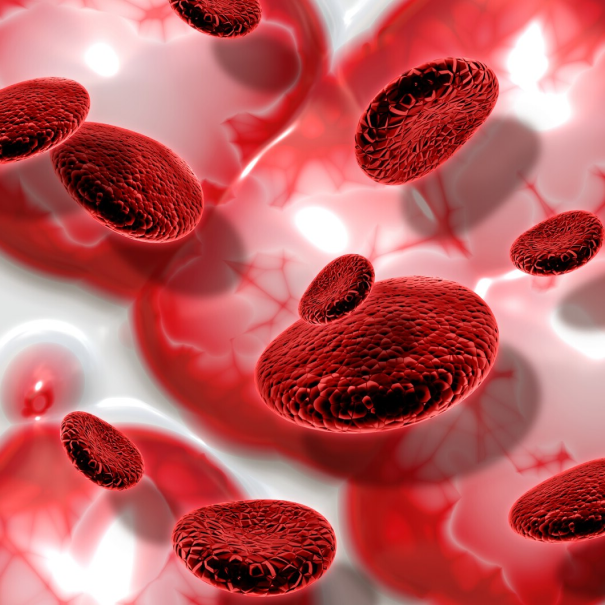
Leukemia (Blood cell)
Lymphoma (Lymph nodes)
Myeloma
Hereditary Cancer
Hereditary cancer, also known as familial cancer, occurs when a genetic mutation is passed down from parent to child, increasing the risk of developing certain types of cancer.These mutations can be inherited from either parent, and they can significantly increase the risk of developing cancer compared to the general population.
Hereditary cancer constitutes between 5% and 10% of most cancers, including breast and colon cancer. Certain cancers have a higher likelihood of being hereditary; for instance, 20-25% of ovarian cancers are attributed to inherited risk factors. In families with a history of hereditary cancer, we frequently observe early-onset cancers, multiple individuals diagnosed with the same or related cancers, and even instances of individuals developing more than one distinct type of cancer.Common Hereditary Cancer SyndromesSome of the most common hereditary cancer syndromes include:
Mutations in these genes increase the risk of breast and ovarian cancer, as well as other cancers.
Mutations in genes involved in DNA repair increase the risk of colorectal cancer, endometrial cancer, and other cancers
Pancreatitis Panel
Homologous Recombinant Repair (HRR)
Von Hippel Lindau Syndrome
Retinoblastoma

Somatic Cancer
Somatic cancer is a type of cancer that develops from cells in the body that are not involved in reproduction. These cells are also known as somatic cells. Unlike hereditary cancers, somatic cancers are not passed down from parent to child.
Causes:Somatic cancers are typically caused by a combination of factors, including:
These mutations can occur spontaneously or be caused by environmental factors.
Exposure to certain chemicals, radiation, or other substances can increase the risk of somatic cancer.
Unhealthy lifestyle choices, such as smoking, excessive alcohol consumption, and a poor diet, can also contribute to the development of somatic cancer.

Common Types of Somatic Cancer
Liquid Biopsy
A liquid biopsy is a non-invasive procedure that involves testing a sample of blood or other bodily fluid to detect and analyze genetic material, such as DNA or RNA from circulating tumor cells (CTCs) or tumor-derived DNA fragments (ctDNA).

Benefits of Liquid Biopsy
Applications of Liquid Biopsy
Immunohistochemistry (IHC)
Immunohistochemistry is a laboratory technique used to visualize specific proteins or antigens in tissue sections. It involves the use of antibodies that bind to specific target proteins, allowing for their localization and identification within the tissue.
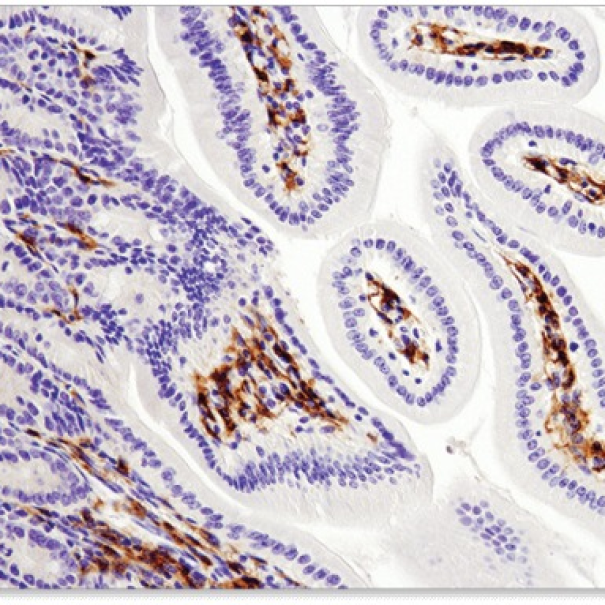
How it works
Applications of IHC
Pharmacogenomics
Pharmacogenomics is the study of how genetic variations in individuals affect their response to drugs. It involves analyzing a person's genetic makeup to predict how they will metabolize and respond to different medications.

Key Concepts
Benefits of Pharmacogenomics
Applications of Pharmacogenomics
Still Confused?
Get Genetic Counseling with Redcliffe Lab's Genetic Experts

Still Confused?
Speak with our experts Now!
Get answers to all your queries by connecting with a highly experienced Genetic Expert at Redcliffe Labs.